

.jpeg?w=1001&h=1001)
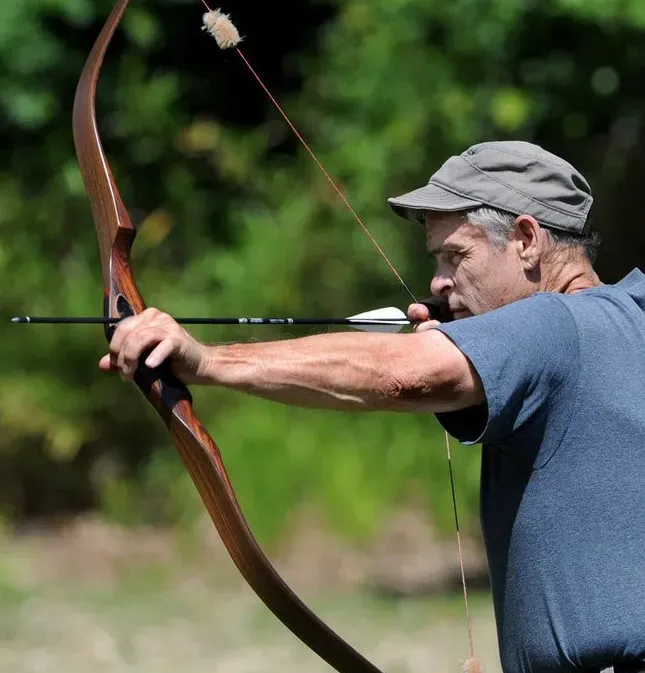
I still remember the first time I pulled back a traditional bow. No peep sight. No release aid. No stabilizer sticking out like a third arm. Just me, a piece of wood, and a string. The arrow rested on my knuckle. My fingers felt every pound of draw weight. And when I let go … the bow hummed.
That’s something you don’t get with a compound.
Don’t get me wrong – I love compound bows. They’re engineering marvels. But traditional archery? It’s a different conversation. It’s slower, quieter, and somehow more honest. You miss, and you know exactly who to blame. You hit, and you feel like a medieval hunter who just earned dinner.
Lately I’ve been shooting some of the AMEYXGS traditional lineup – their handmade longbows, the Mongolian horsebow, even a few one-piece recurves. And I started wondering: why do these old designs still exist? In a world of carbon risers and dual cams, why would anyone pick up a stick with a string?
So I asked a few friends. I watched beginners struggle and smile. I remembered my own early days. And I think I found an answer.
What actually is a traditional bow?
That’s a harder question than it sounds.
Some people say “traditional” means no let-off. Others say it means no mechanical release. A few purists insist it has to be a self bow – one piece of wood, carved from a single stave. But for most of us in the field? A traditional bow is simply one that doesn’t use wheels, cams, or cables. You pull. You aim with your eye and instinct. You release with your fingers.
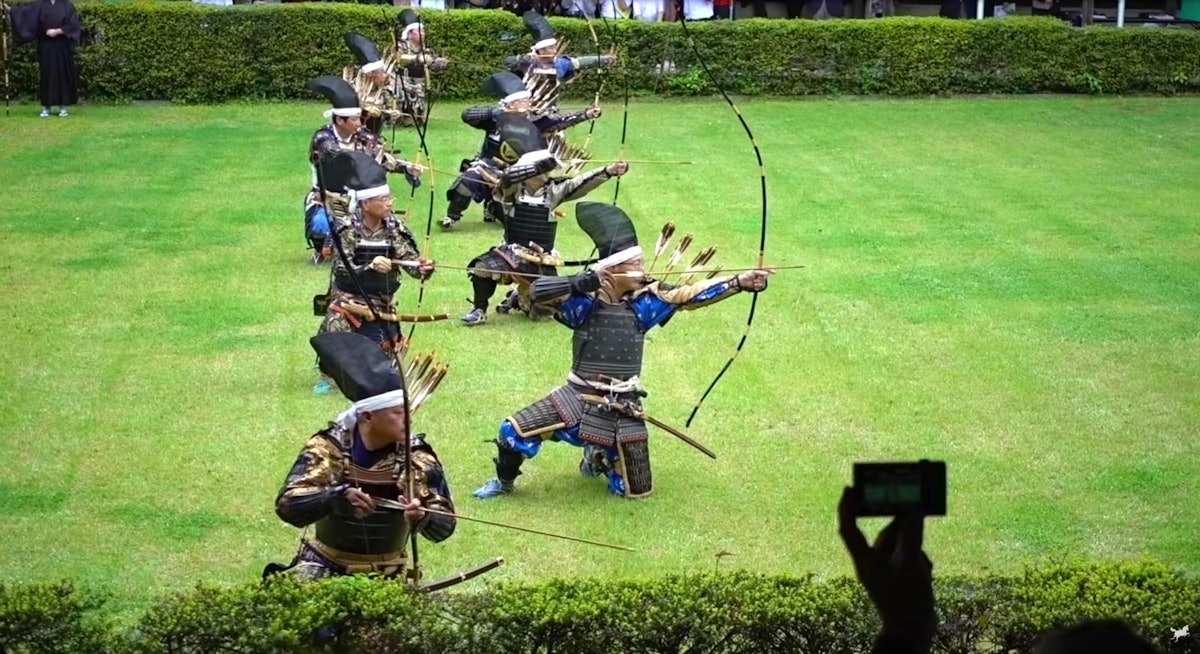
That includes longbows, flatbows, recurves (without the modern compound hardware), and horsebows – those short, snappy recurves with siyahs that look like they rode with Genghis Khan.
The Traditional Handmade Longbow from AMEYXGS, for example, is about as classic as it gets. Sixty-four inches of smooth-drawing wood, a simple shelf cut into the riser, and nothing else. No adjustments. No tuning kits. Just you and the bow.
That simplicity scares some people. It shouldn’t.
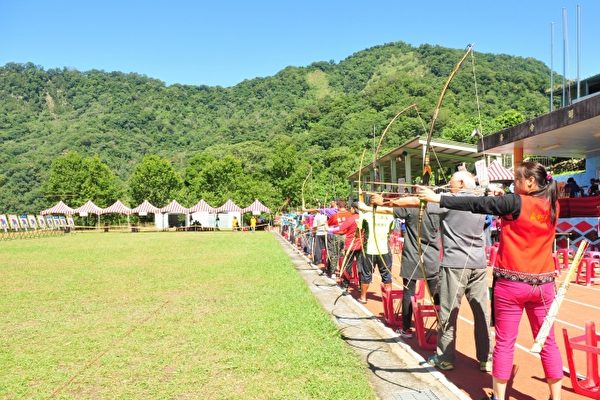
The paradox of “simple but hard”
Here’s something nobody tells you before you buy your first traditional bow: it’s easier to learn than a compound, but harder to master.
With a compound, you spend an hour setting your peep height, adjusting your draw stop, paper tuning your rest. Then the bow does half the work for you. With a traditional bow … you knock an arrow, touch your anchor point, and let instinct take over. That’s it.
But instinct is messy.
I watched a friend – a very good compound shooter – try a Mongolian Horsebow for the first time. He drew back, anchored somewhere near his cheek, and released. The arrow flew six feet high and three feet left. He laughed. “That’s humbling,” he said.
Yeah. It is.
But here’s the beauty part: after twenty shots, he was grouping inside a paper plate at fifteen yards. No lessons. No coaching. Just his brain figuring out the arc. Traditional archery taps into something ancient – something your body already knows how to do, even if your conscious mind doesn’t.
Who is traditional archery for?
Almost anyone. But especially …
-
The hunter who wants a shorter season. In many states, traditional bows get longer seasons or separate game tags. That’s not the main reason to shoot one, but it’s a nice bonus.
-
The backyard shooter who doesn’t want to mess with tools. If you don’t own a bow press and don’t want one, a traditional bow is a blessing. No cams to synchronize. No cables to stretch. Just wax the string and shoot.
-
The history nerd. There’s something magical about shooting a bow that looks and feels like what your great-great-grandfather might have used. The One Piece Traditional Longbow has that vibe – one continuous curve from tip to tip, no take-down joints, just wood and craftsmanship.
-
The archer recovering from target panic. I’ve seen this more than once. A compound shooter develops a flinch – they punch the release, drop the bow, close their eyes. Switching to a traditional bow, with its slower shot process and finger release, can reset that mental loop.
The feel you can’t measure
Let me try to describe something.
When I shoot my compound, I’m checking a list. Peep alignment? Check. Bubble level? Check. Back tension? Check. Release triggered cleanly? Check. It’s a series of yes/no questions.
When I shoot my AMEYXGS Wooden Traditional Recurve Bow, there’s no list. My hand finds the grip. My fingers find the string. My eye finds the target. And somewhere between my brain and my back muscles, a shot happens. I don’t “make” it happen. I just get out of the way.
That’s the “effortless concentration” people talk about.
You’re not forcing your body into a perfect form. You’re not overthinking your anchor. You’re just … looking at something you want to hit, and letting your body figure out the math. And the crazy thing? It usually works.
Not every time. But often enough to keep you smiling.
But what about accuracy?
Fair question.
At twenty yards, a good traditional shooter can keep arrows inside a 4-inch circle – easily. At thirty, maybe six inches. At forty … well, that’s where instinct gets challenged.
But here’s the secret: most hunting shots happen under twenty-five yards. Most target games (like NFAA traditional divisions) shoot at closer distances anyway. So are you giving up precision? A little. Are you giving up the ability to make an ethical shot? No. Not if you practice.
And practice with a traditional bow is … fun. Not a chore. Because every shot feels like a small miracle. You don’t blame the bow. You don’t tweak a sight pin. You just adjust your mind and try again.
Getting started – what you actually need
You don’t need much.
A bow. A few arrows. An armguard (trust me on this – string slap on a traditional bow is real). And a target.
The bow itself? Start with something in the 25–35 pound range. That’s enough to feel the back tension, but not so heavy that you develop bad habits. AMEYXGS offers a Traditional Recurve One Piece Bow in 20, 25, 30, 35 up to 50 pounds – plenty of room to grow.
For arrows, traditional bows like wood or carbon shafts with feather fletching (not vanes). Feathers collapse when they pass the arrow rest – vanes bounce. And please, for your forearm’s sake, use a low-profile rest or shoot off the shelf. The shelf is fine. Hundreds of years of archers can’t be wrong.
What nobody prepares you for
The first time you shoot a traditional bow in front of other people, you might feel … exposed.
No sights to hide behind. No release to crisp up the shot. Just your bare hand and a loud “thwack” if you pluck the string. Compound shooters will watch. Recurve shooters will nod. And if you miss? Everyone sees it.
But here’s the thing nobody tells you: they’ll also see you smile. Because even a miss with a traditional bow feels like learning, not failing.
My worst shot ever was with a borrowed horsebow at a club picnic. I was aiming at a foam deer at thirty yards. The arrow went so far right that it nearly hit someone’s cooler. I turned red. The owner of the bow – an old guy named Jerry – just laughed and said, “You pulled it. Try again.”
That’s the community. That’s the spirit.
A few real stories (from real people)
Mike, a compound hunter for fifteen years, tried a longbow last fall. He told me: “I didn’t expect to like it. I bought a cheap one just to mess around in the backyard. Three months later, I sold my backup compound. I still hunt with my main compound, but for everything else? The longbow comes with me. It’s just … peaceful.”
Linda, a beginner who had never shot any bow, picked up a 25lb Traditional Handmade Longbow and was grouping arrows within an hour. “I thought archery was complicated,” she said. “But this feels natural. Like throwing a ball. You don’t think about your elbow – you just throw.”
Tom, who shoots both compound and traditional, put it this way: “My compound is for scores. My recurve is for me.”
Feedback
from Dave, a veteran archer currently in recovery:
“I have an old shoulder injury and was constantly worried that shooting a traditional bow might aggravate it further. But once I tried it, I realized that—even though your fingers bear the full brunt of the draw weight—as long as you start with a lower poundage (I used 25 lbs), it actually feels much more natural than the ‘high let-off, rigid posture’ sensation of a compound bow. The linear draw weight allows for a smoother release, and—surprisingly—my shoulder joint doesn't hurt anymore.”
— Dave, a veteran archer who switched from compound bows to traditional bows due to a shoulder injury
from Ethan, someone who loves trying new things:
“I could never quite understand why anyone would choose a horse bow over a longbow. I asked customer service, and they explained that horse bows are shorter (typically 48–54 inches), making them ideal for hunting from tree stands or within dense brush. I took a friend's Mongolian horse bow out into the field to give it a try, and wow—is it fast! Even with a relatively low draw weight, the arrows fly out with incredible speed. Of course, longbows offer greater stability, but personally, I prefer the crisp, decisive feel of a horse bow.”
— Ethan, an avid outdoorsman and hunting enthusiast
One last thought before you decide
I’m not here to tell you compounds are bad. They’re not.
But I am here to tell you that traditional archery offers something no high-tech bow can: a direct line between your intention and the arrow. No gadgets. No excuses. Just you, your body, and a piece of wood that remembers what it was like to be a tree.
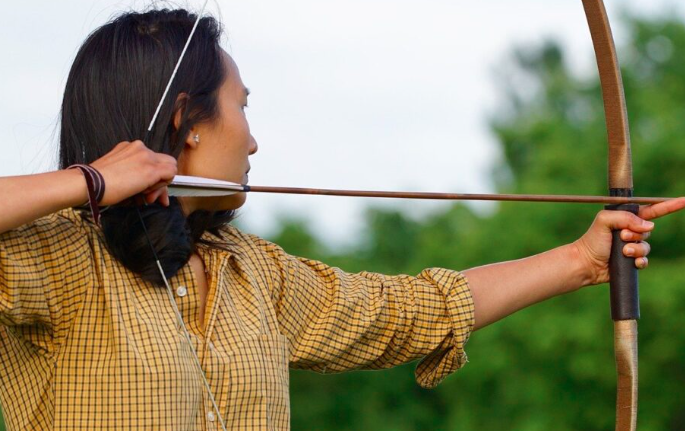
If you’ve never shot a traditional bow, find one. Pull it back. Let a few arrows fly. You might miss. You might hit. But either way, you’ll feel something – a kind of quiet focus that doesn’t need to be cranked up or forced.
It just falls to you.
And when it does? You’ll understand why people have been doing this for ten thousand years.