

.jpeg?w=1001&h=1001)
Introduction
Every hunting environment presents unique challenges, and to be successful, you must adapt your gear, particularly your bow, to suit those conditions. Whether you're bowhunting in dense forests, wide-open fields, or rugged mountainous terrain, your bow setup can significantly impact your accuracy, comfort, and success rate.
In this guide, we’ll explore how to adapt your bow for different hunting conditions, ensuring that you’re fully prepared for any scenario. From adjusting draw weight to upgrading your stabilizers, we’ll cover essential tips and gear recommendations to help you make the most of every hunting opportunity.
1. Adapting Your Bow for Dense Forests
Hunting in dense forests presents unique challenges, especially when it comes to maneuverability and shot distances. The thick brush and tree cover limit your ability to shoot long distances, and close-range accuracy becomes more crucial.
What to Do:
- Adjust Draw Weight: For close-range shots in dense woods, consider lowering your draw weight. A lighter draw weight can make it easier to shoot quickly and with greater control when the animal is close.
- Use a Shorter Axle-to-Axle Bow: Shorter bows (usually with axle-to-axle measurements of 30 to 33 inches) are more maneuverable in tight spaces, making it easier to move and shoot from awkward positions or narrow shooting lanes.
- Add a Shorter Stabilizer: A shorter stabilizer helps with balance while reducing the chances of getting caught on branches or brush as you move.
- Lighted Sights: The dense cover can make it harder to see your pins clearly. A lighted sight is useful in ensuring you get a clear view even in low-light conditions such as early morning or late afternoon hunts.
Why It Helps:
- A lighter draw weight and shorter bow make it easier to quickly draw, aim, and release without unnecessary movement or fatigue in tight quarters.
- A lighted sight and proper stabilization keep you accurate and efficient, especially when shooting at short distances.
2. Adapting Your Bow for Open Fields
When hunting in open fields, you typically have more room to maneuver, and your shots are often taken at longer distances. However, you may face different challenges such as wind and longer-range accuracy.
What to Do:
- Increase Draw Weight: A heavier draw weight can help you achieve greater arrow speed and accuracy at longer ranges, which is important when shooting at animals in open spaces.
- Use a Longer Axle-to-Axle Bow: A longer bow (34 inches or more) provides more stability for long-range shots and can improve accuracy, particularly when dealing with crosswinds or other environmental factors.
- Install a Longer Stabilizer: A longer stabilizer (typically 10-12 inches) helps stabilize your bow during longer shots and helps counteract the effects of wind.
- Upgrade to a High-Quality Sight: A fixed-pin sight or target sight can help improve your precision at longer distances. Consider using a sight with adjustable pins for different yardages.
Why It Helps:
- A higher draw weight and longer axle-to-axle bow ensure better performance at longer distances, while the stabilizer helps reduce wind-induced movement.
- A more advanced sight system provides better precision for accurate shots at greater ranges.
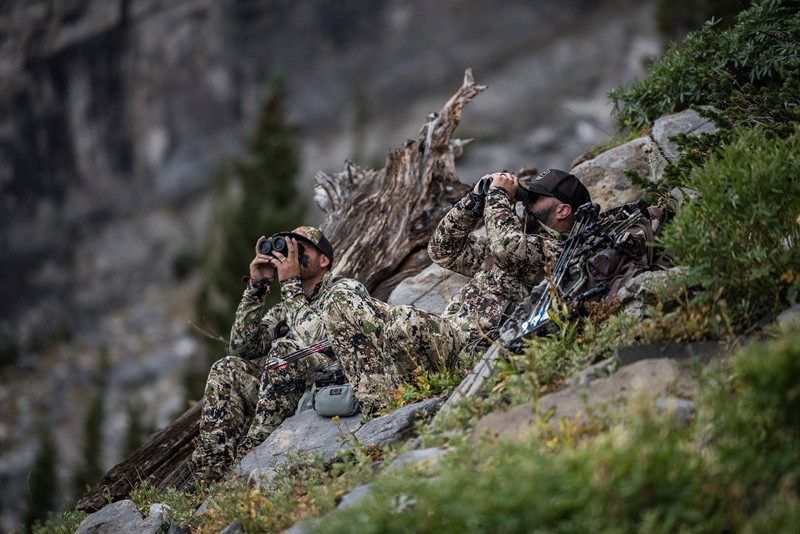
3. Adapting Your Bow for Mountainous Terrain
Mountainous environments can be physically demanding and present challenges related to both terrain and distance. Hunting in these areas often requires quick shots at steep angles, along with the need to carry gear over difficult terrain.
What to Do:
- Adjust for Steep Angles: Use a sight with a 3rd axis adjustment to account for the angle of your shots. This ensures that your sight pins are accurate even when shooting uphill or downhill.
- Lighten the Load: Mountain hunting often involves hiking long distances, so you may want to lighten your bow setup. Consider using a lighter bow or removing non-essential accessories to reduce the weight you’re carrying.
- Add a Stabilizer for Vertical Stability: A stabilizer with a vertical orientation (instead of horizontal) is useful for steep, angled shots and can help stabilize your bow when shooting at challenging angles.
- Upgrade Your Arrow Setup: In mountainous terrain, you'll often shoot at varying distances with different elevation changes. Use heavier arrows for better accuracy in windy conditions and fletching that ensures proper flight.
Why It Helps:
- A sight with 3rd axis adjustment compensates for angles, improving shot placement and reducing errors when shooting uphill or downhill.
- Lightening your bow setup helps ease the burden of carrying gear over rugged terrain, allowing for greater mobility.
- A vertical stabilizer and upgraded arrow setup ensure stable shooting when dealing with varied terrain and wind.
4. Adapting Your Bow for Wet or Humid Conditions
Hunting in wet or humid conditions requires special considerations to keep your equipment functioning properly and avoid any malfunctions due to moisture.
What to Do:
- Use Waterproof Gear: Ensure your bow and accessories are waterproof or water-resistant. Consider waterproof bow cases, weather-resistant bowstrings, and rust-resistant stabilizers.
- Increase String Maintenance: In wet conditions, moisture can weaken bowstrings. Regularly wax your bowstring and keep it dry to ensure smooth operation and prevent fraying.
- Use Durable Arrow Rest: A weather-resistant arrow rest will perform better in humid or rainy conditions, ensuring the arrow stays in position even when it’s wet.
Why It Helps:
- Water-resistant and durable gear ensures your bow stays functional in difficult weather conditions, preventing issues like rust, fraying, or malfunctioning accessories.
- Proper string maintenance and a reliable arrow rest will ensure your shooting performance remains unaffected by the weather.
5. Adapting Your Bow for Night Hunting
Night hunting, whether for predators or certain species, presents unique challenges in terms of visibility and noise. In these situations, it’s important to adapt your bow for both stealth and clear aiming.
What to Do:
- Install a Lighted Nock or Sight: A lighted nock or lighted sight pins are essential for aiming in the dark. They help you track your arrow's flight and make aiming easier when visibility is limited.
- Use a Quieter Release Aid: Night hunting requires quiet movement, so a silent release aid can help you maintain stealth while still getting a clean shot.
- Consider Thermal or Night Vision Optics: If you're hunting in pitch darkness, night vision scopes or thermal optics can help you spot your prey and adjust your aim.
Why It Helps:
- Lighted sights and nocks improve visibility and ensure you’re hitting your target, even in the dark.
- A quiet release aid ensures that you won’t alert your prey during the shot, which is critical for success in low-light conditions.
Conclusion: Adapting Your Bow for Every Hunting Condition
Adapting your bow for different hunting conditions ensures you are always prepared for success, whether you're hunting in dense forests, open fields, rugged mountains, or at night. By adjusting your gear, bow setup, and shooting techniques, you can optimize your performance in any environment.