

.jpeg?w=1001&h=1001)
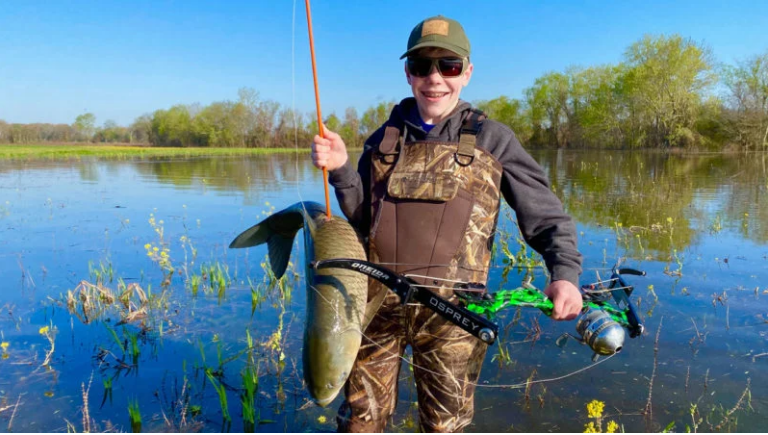
Whatever the reason, bowfishing has exploded in popularity among outdoor enthusiasts, hunters, and even casual archers looking for a new challenge. It combines the focus of archery, the unpredictability of fishing, and just enough chaos to make every trip memorable.
If you’ve been curious about bowfishing but aren’t sure where to start, this guide covers the basics: gear, setup, safety, beginner mistakes, and how to make your first outdoor archery adventure actually fun instead of frustrating.
1. What Is Bowfishing?
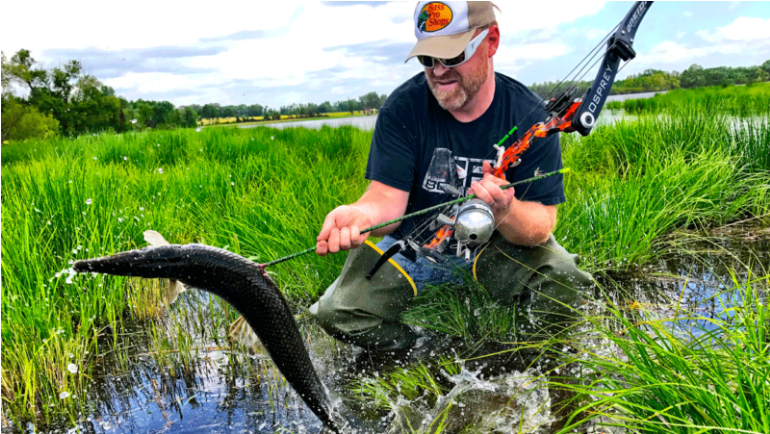
Bowfishing is exactly what it sounds like: fishing with a bow and arrow. But unlike traditional fishing, you’re not casting and waiting around with snacks for three hours. Bowfishing is active, visual, and fast-paced.
Instead of hooks and bait, bowfishing arrows are attached to a line connected to a reel mounted on your bow. After the shot, the arrow stays tethered so you can retrieve both the arrow and the fish.
Most bowfishing happens in shallow water where fish are visible near the surface. Popular targets include carp, gar, tilapia, and other rough fish depending on local laws and seasons.
The best part? You don’t need to be an Olympic-level archer to enjoy it. In fact, bowfishing is often more forgiving than target archery because movement, quick reactions, and instinct matter just as much as perfect form.
🎥 Recommended Watch: Bowfishing Basics for Beginners
2. Why Bowfishing Is Becoming So Popular
Bowfishing sits in a sweet spot between sport and adventure.
Traditional archery can sometimes feel repetitive: stand, shoot, repeat. Bowfishing changes that completely. Every trip is different. Fish move unpredictably, lighting changes constantly, and your targets don’t politely stand still waiting to be hit.
That unpredictability is what makes it exciting.
For many archers, bowfishing also feels more approachable than hunting. There’s less pressure, fewer complicated setups, and usually a more relaxed atmosphere. Miss a shot? Nobody cares. Shoot low because of water refraction? Congratulations — you just learned the same lesson every beginner learns.
It’s also incredibly social. Many people go bowfishing with friends at night using lights mounted on boats or along riverbanks. Half the fun is the adventure itself: muddy boots, terrible aim jokes, and someone inevitably falling into shallow water while trying to retrieve an arrow.
And surprisingly, bowfishing can be a solid workout. Walking riverbanks, holding a bow for extended periods, and reacting quickly builds shoulder strength, coordination, and focus without feeling like “exercise.”
3. Choosing the Right Bow for Bowfishing
Here’s the good news: you don’t need a $2,000 hunting setup to start bowfishing.
Most beginners use either a recurve bow or a compound bow.
Recurve Bows
Recurve bows are simple, durable, and easy to maintain. Many bowfishing beginners prefer them because they’re lightweight and less stressful around water, mud, and sand.
They’re also excellent for instinctive shooting, which matters a lot when fish suddenly appear for two seconds and disappear again.
Compound Bows
Compound bows offer more power, accuracy, and let-off. They’re ideal if you already own one and want to adapt it for bowfishing.
However, compounds require more maintenance, and water plus moving mechanical parts isn’t always the happiest relationship.
For beginners, moderate draw weights around 30–40 lbs are perfect. Fish don’t require massive draw weights like large-game hunting does.
4. Essential Bowfishing Gear
Bowfishing isn’t just about the bow. Your setup matters.
Bowfishing Arrows
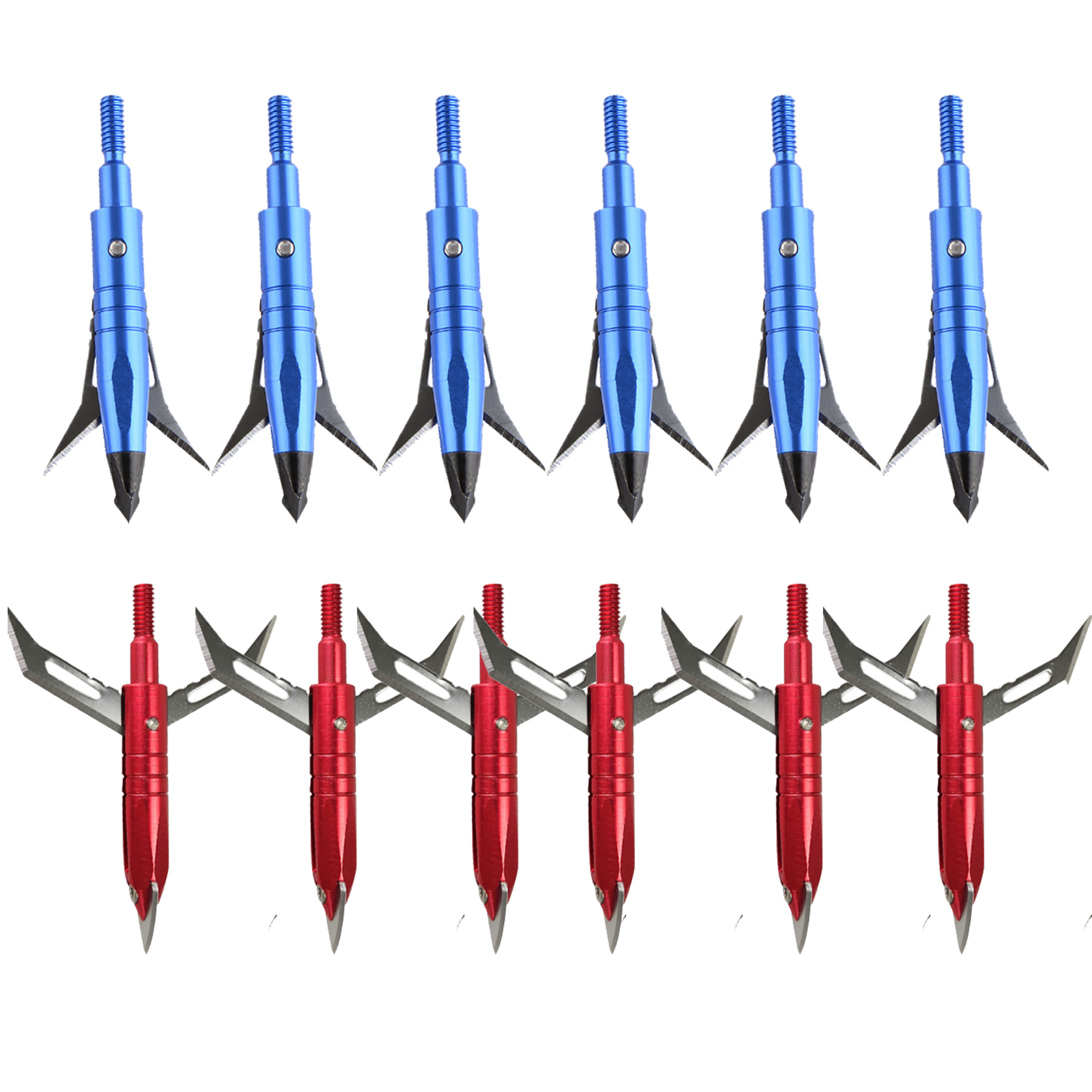
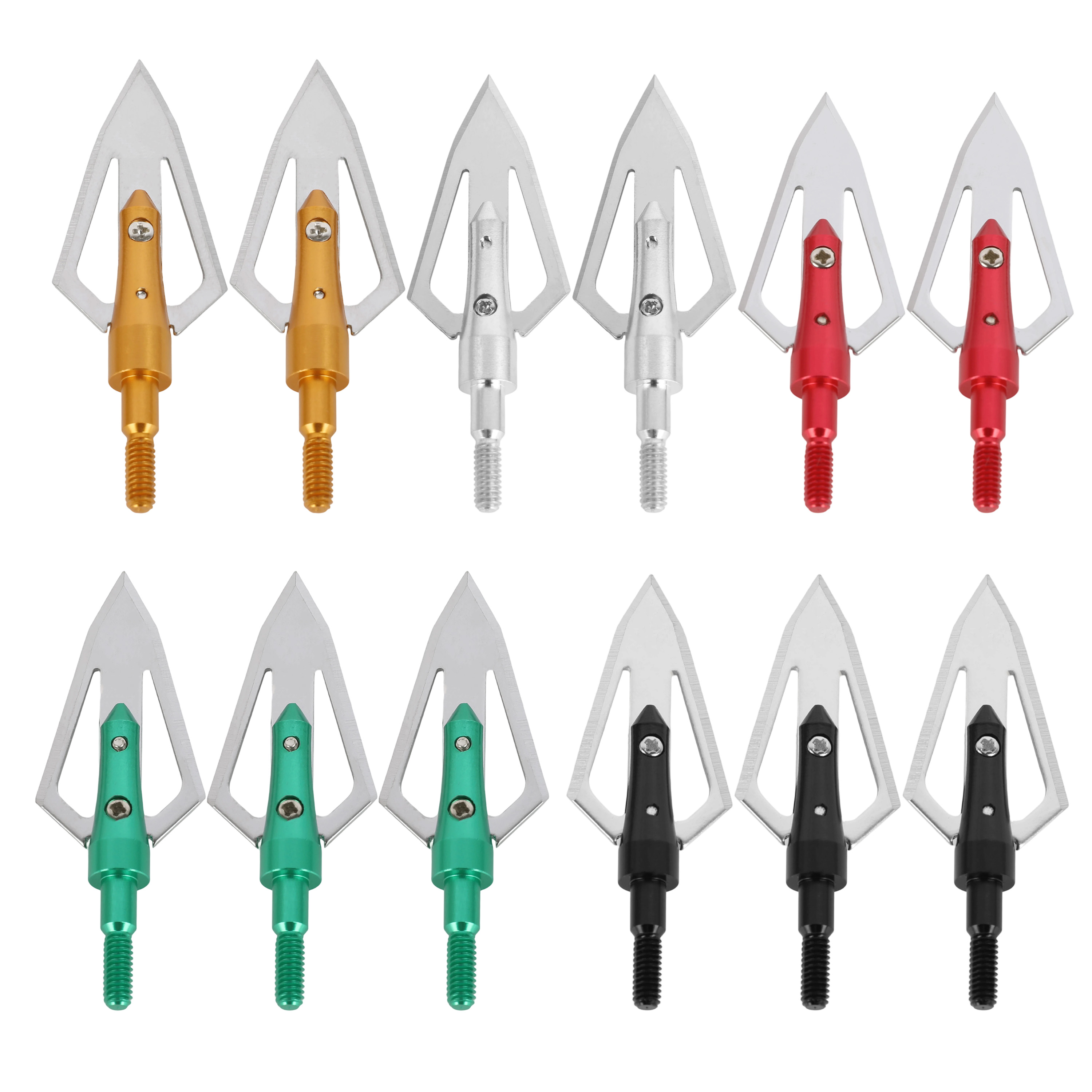
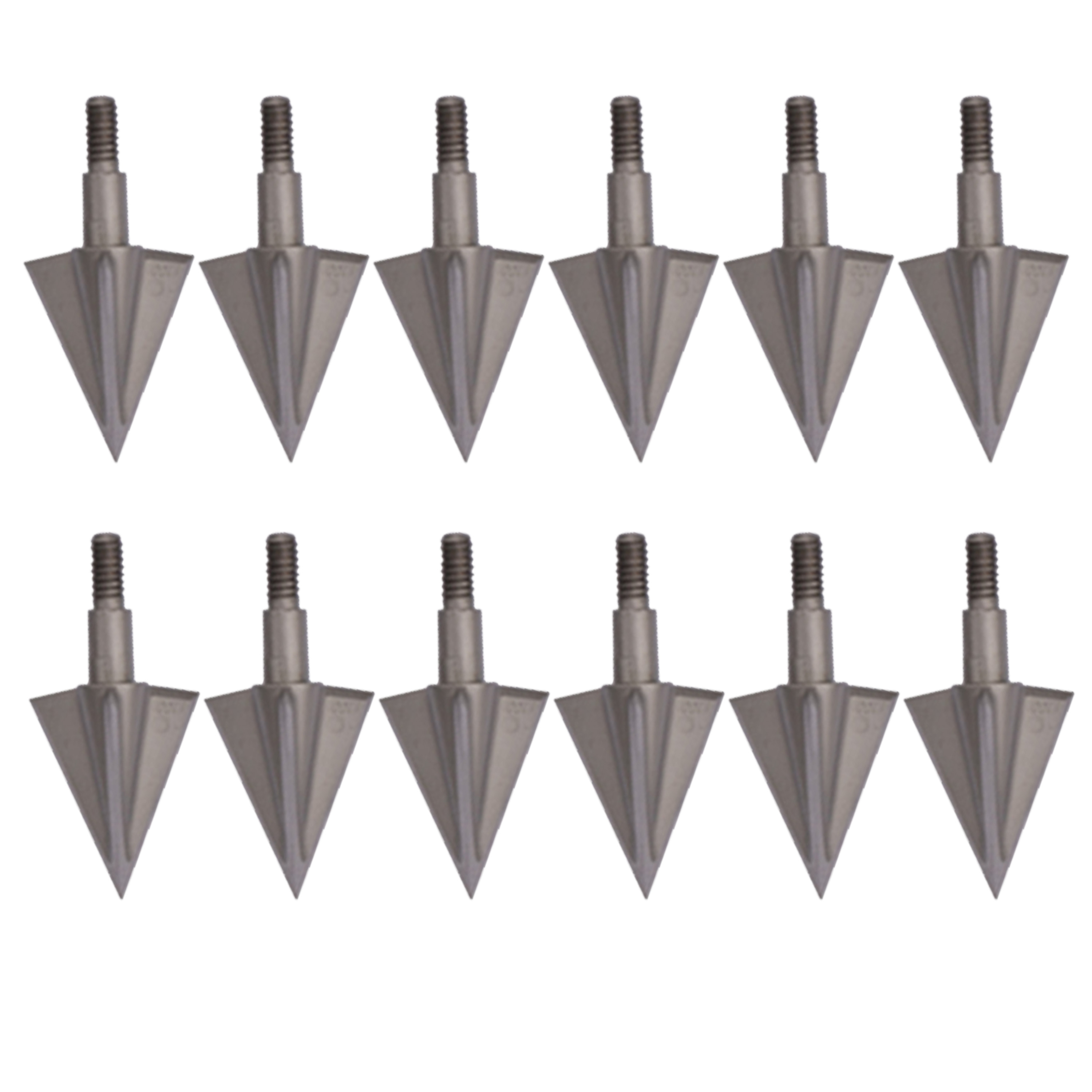
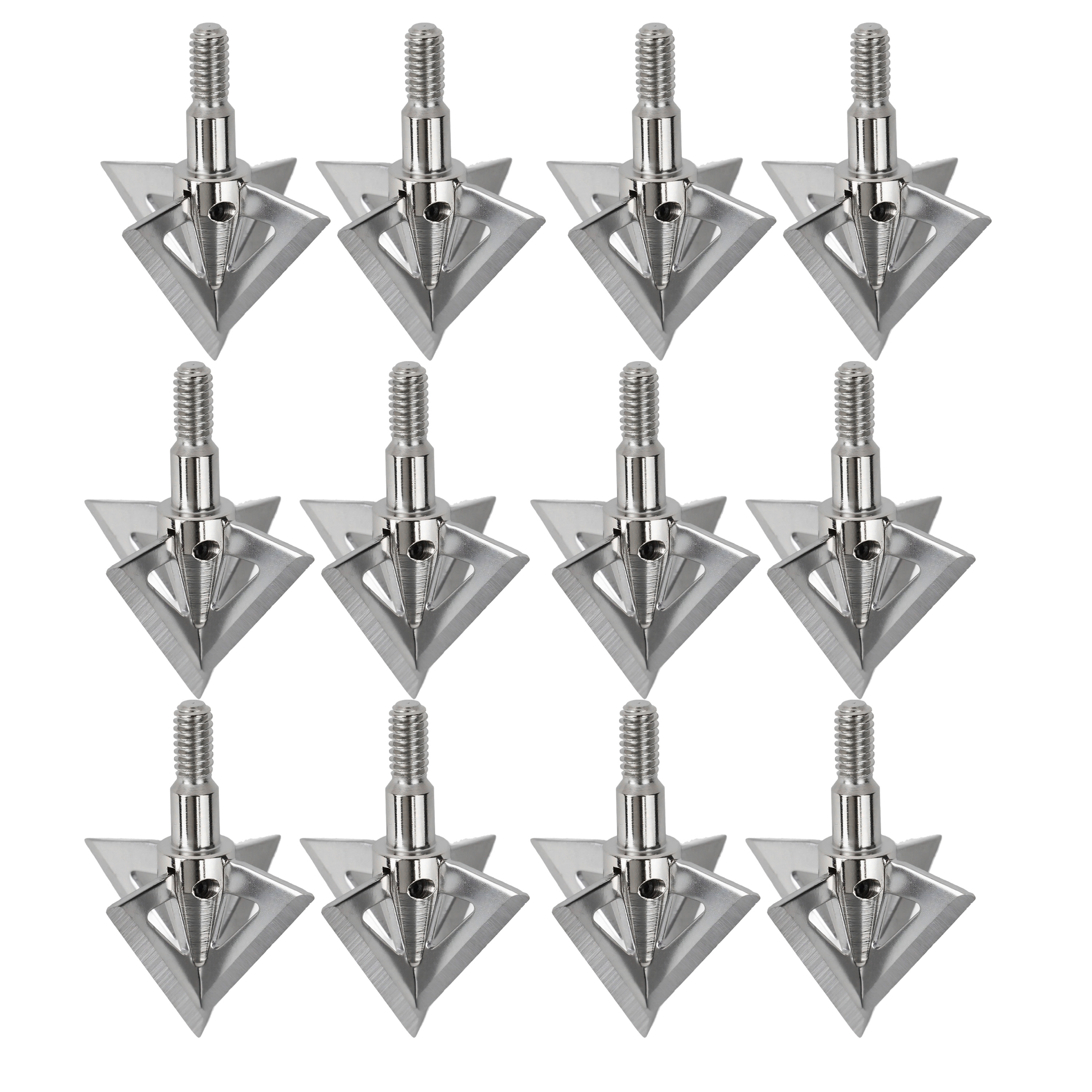
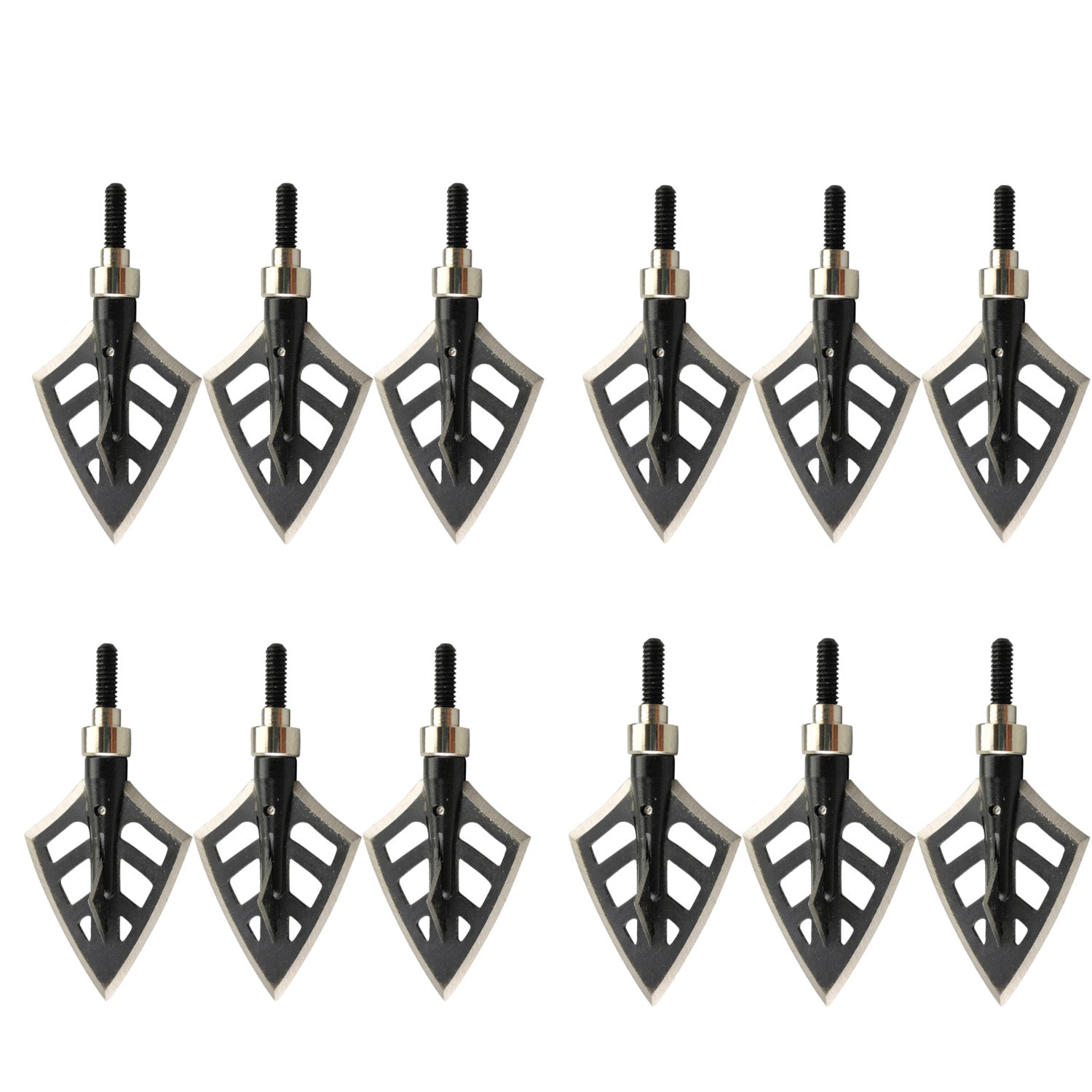
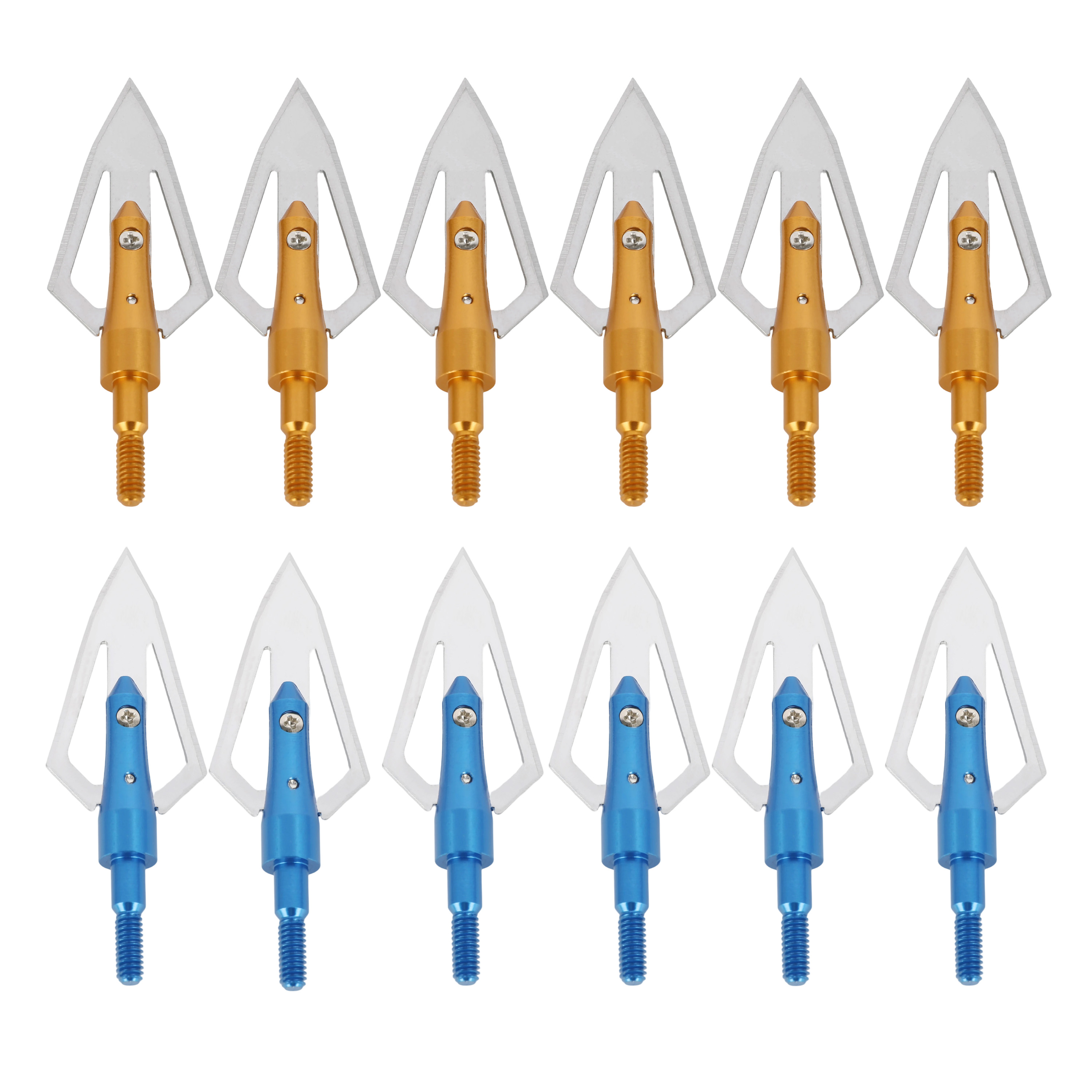
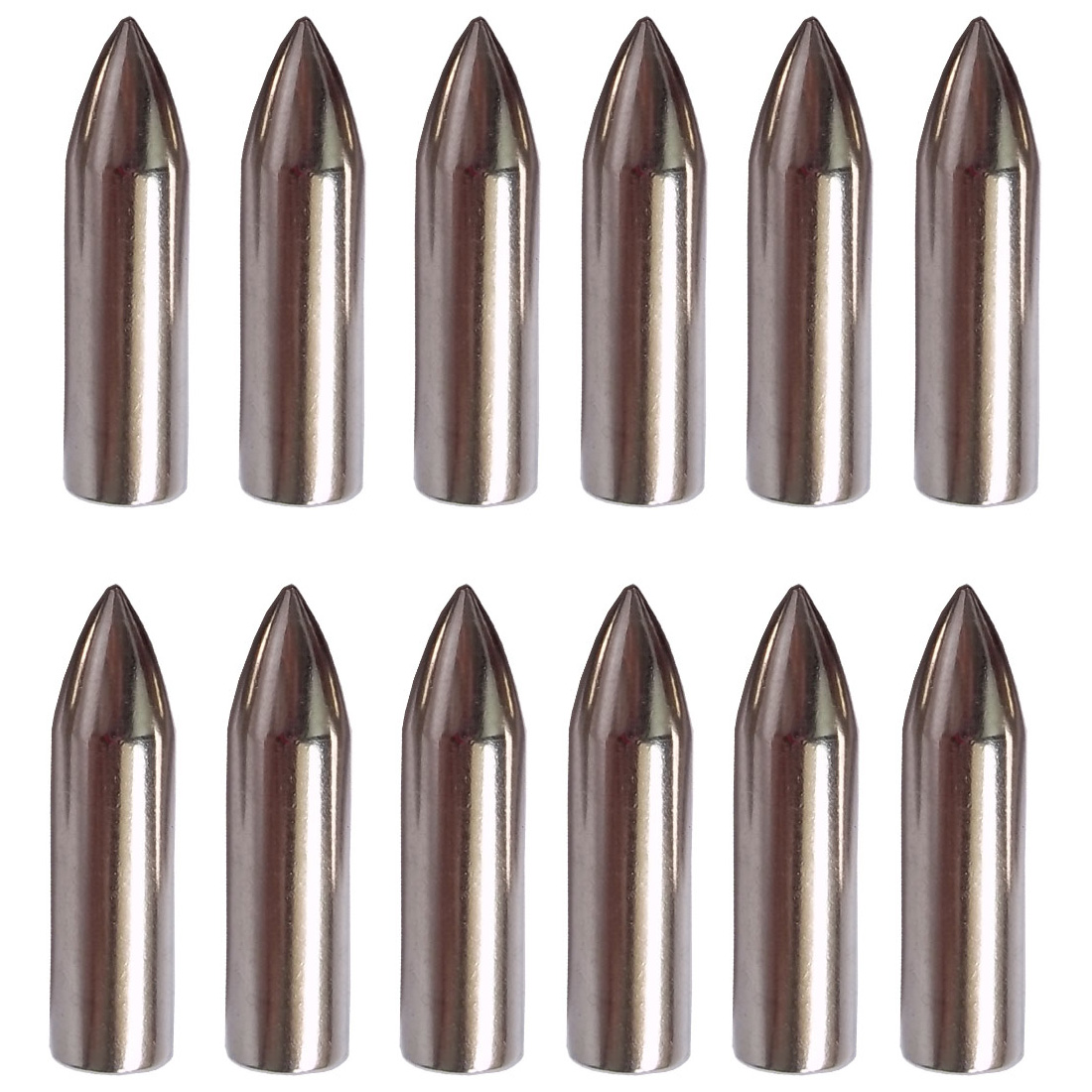
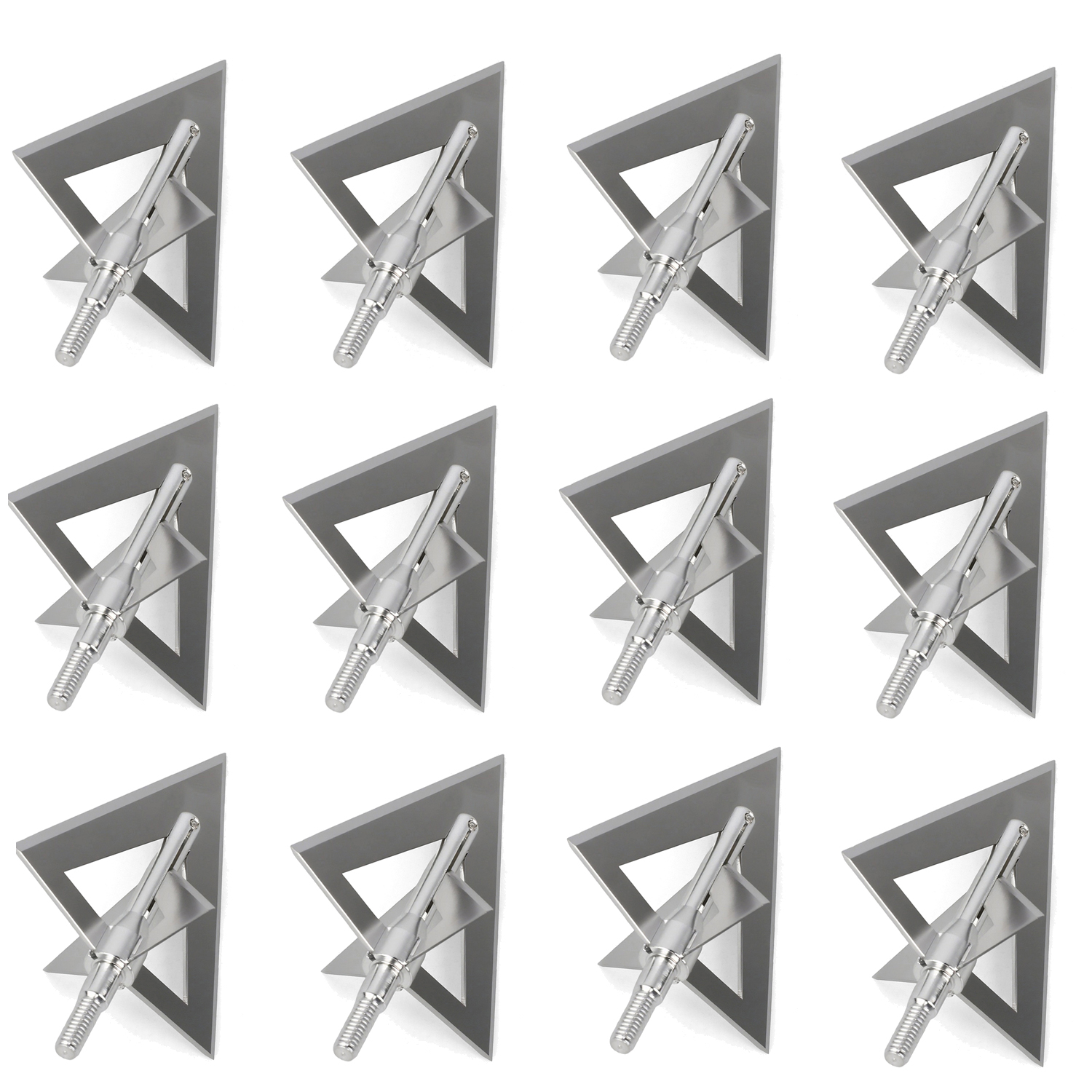
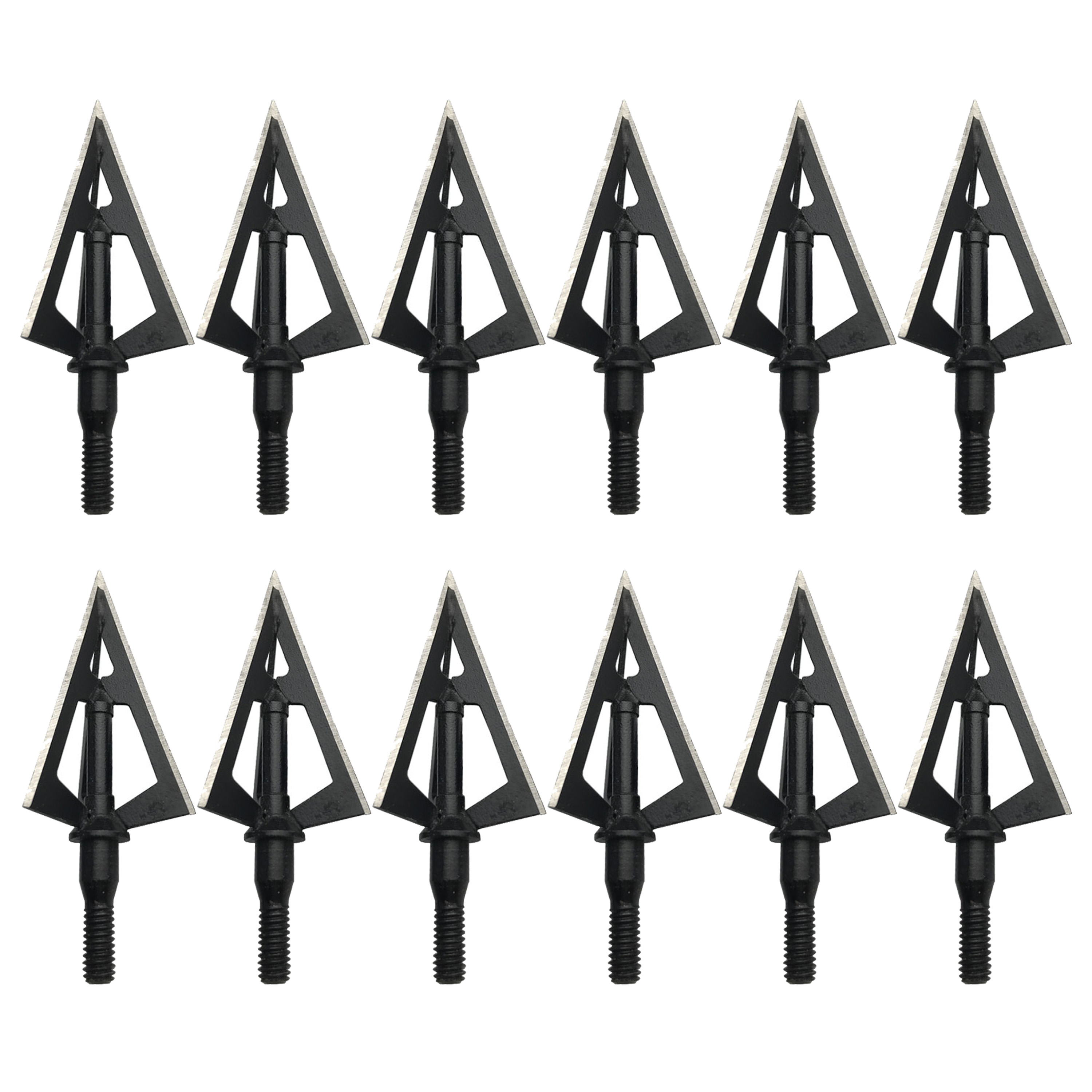
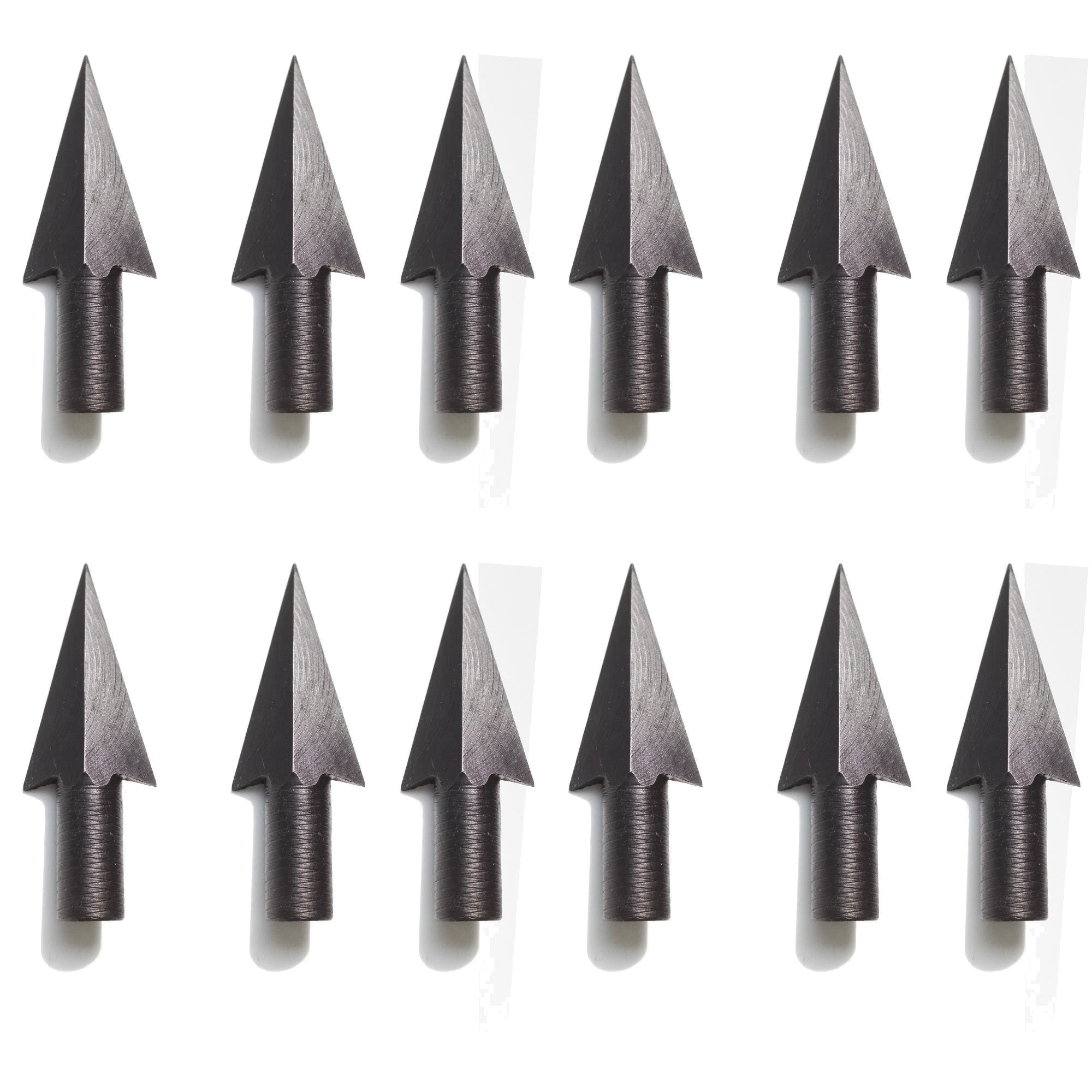
These are heavier than standard target arrows and designed specifically for water impact. Most have barbed tips to hold fish securely after the shot.
Reel System
A reel attaches to the bow and keeps the arrow tethered. Without it, your arrow becomes an expensive donation to the river.
There are several types:
- Hand-wrap reels
- Spin-cast reels
- Retriever reels
Most beginners start with simple spin-cast setups because they’re familiar and easy to manage.
Polarized Sunglasses
This sounds optional until you try spotting fish without them. Polarized lenses cut water glare dramatically and make shallow fish visible.
Gloves and Protective Gear
Wet conditions plus bowstrings can create painful mistakes quickly. Gloves improve grip and help protect fingers during long sessions.
5. Understanding Water Refraction (The Thing That Tricks Everyone)
Here’s the moment every new bowfisher experiences:
You aim directly at the fish.
You release confidently.
The arrow sails beautifully… under the fish.
Welcome to water refraction.
Because light bends when passing through water, fish appear higher than they actually are. That means you must aim lower than your eyes think you should.
And honestly? You will miss because of this at first. Everyone does.
The trick is repetition. After enough practice, your brain automatically adjusts. Eventually, experienced bowfishers stop consciously thinking about refraction altogether.
A good rule for beginners:
- The deeper the fish, the lower you aim.
Simple. Annoying. Effective.
🎥 Helpful Video: How Water Refraction Affects Bowfishing Shots
6. Beginner Mistakes to Avoid
Mistake #1: Using Hunting Arrows
Regular hunting or target arrows are not designed for water impact and retrieval. Use proper bowfishing arrows.
Mistake #2: Standing Too Close to the Water Edge
Excitement plus slippery mud equals accidental swimming lessons.
Mistake #3: Drawing Too Much Weight
Heavy bows reduce reaction speed and increase fatigue. Bowfishing is about fast shots, not brute force.
Mistake #4: Ignoring Local Regulations
Some fish species are protected depending on your area. Always check local laws before heading out.
Mistake #5: Forgetting Polarized Glasses
Without them, spotting fish becomes dramatically harder.
7. Best Places for Bowfishing Adventures
Bowfishing works best in shallow, clear water environments.
Popular locations include:
- Rivers
- Marshes
- Lakes
- Flooded flats
- Coastal shallows
Spring and summer are usually peak seasons because fish move into shallow water to spawn.
Night bowfishing is especially popular because fish are easier to spot under mounted lights. Plus, there’s something incredibly fun about floating silently through dark water with glowing fish beneath the surface.
It feels like archery mixed with a treasure hunt.
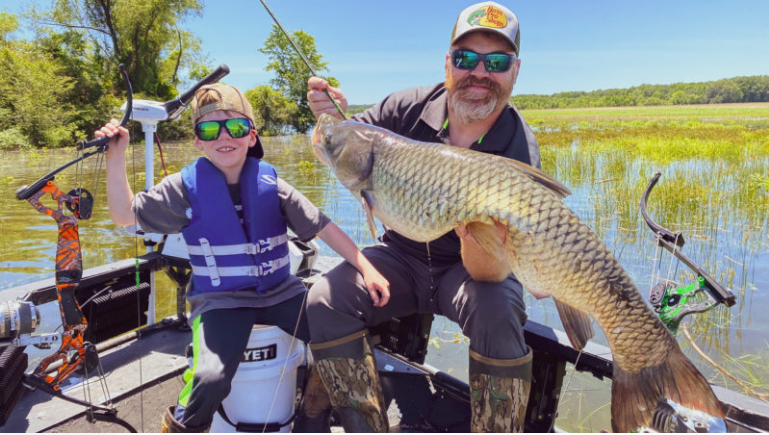
8. Turning Bowfishing Into a Real Outdoor Adventure
The best bowfishing trips aren’t just about catching fish.
They’re about:
- Exploring new waterways
- Camping near rivers
- Hiking remote shorelines
- Cooking outdoors afterward
- Sharing stories about terrible missed shots
Bowfishing naturally creates memorable experiences because it’s unpredictable. Sometimes you land multiple fish in minutes. Sometimes you spend two hours shooting at shadows and convincing yourself they were definitely giant carp.
Either way, you’re outside, moving, learning, and having fun.
And honestly, that’s why people keep coming back.
9. Safety Tips Every Beginner Should Follow
Bowfishing combines sharp objects, water, slippery terrain, and excitement. Safety matters.
Always:
- Check surroundings before shooting
- Keep arrows pointed safely
- Wear stable waterproof footwear
- Avoid crowded waterways
- Inspect your line and reel regularly
- Never shoot toward boats or swimmers
And if bowfishing from a boat, balance matters. Leaning too far for “just one perfect shot” is how people accidentally test whether their phones are waterproof.
10. Conclusion
Bowfishing is one of the most exciting ways to combine archery with outdoor adventure. It’s active, unpredictable, beginner-friendly, and honestly just ridiculously fun.
You don’t need elite archery skills to start. You just need the right mindset, basic equipment, and a willingness to laugh at your first few missed shots.
From choosing your first bowfishing bow to learning how water refraction works, every trip teaches something new. And unlike many sports, even the mistakes become part of the story.
So if you’re ready to trade paper targets for moving fish and turn your archery hobby into a real outdoor adventure, now’s the perfect time to start.
Grab your bow, find some shallow water, and remember the golden rule of bowfishing:
Aim lower than you think… and try not to fall in.