

.jpeg?w=1001&h=1001)
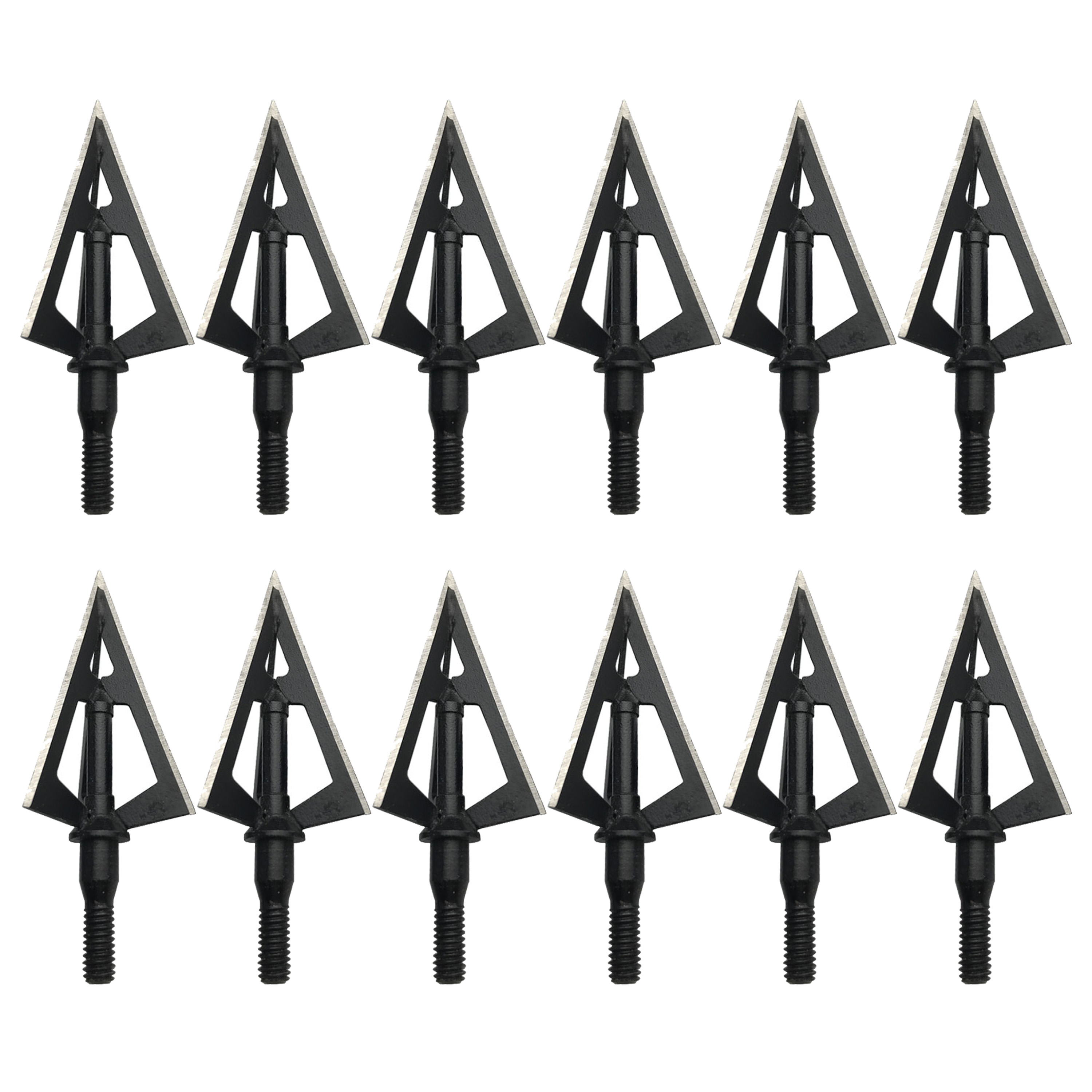
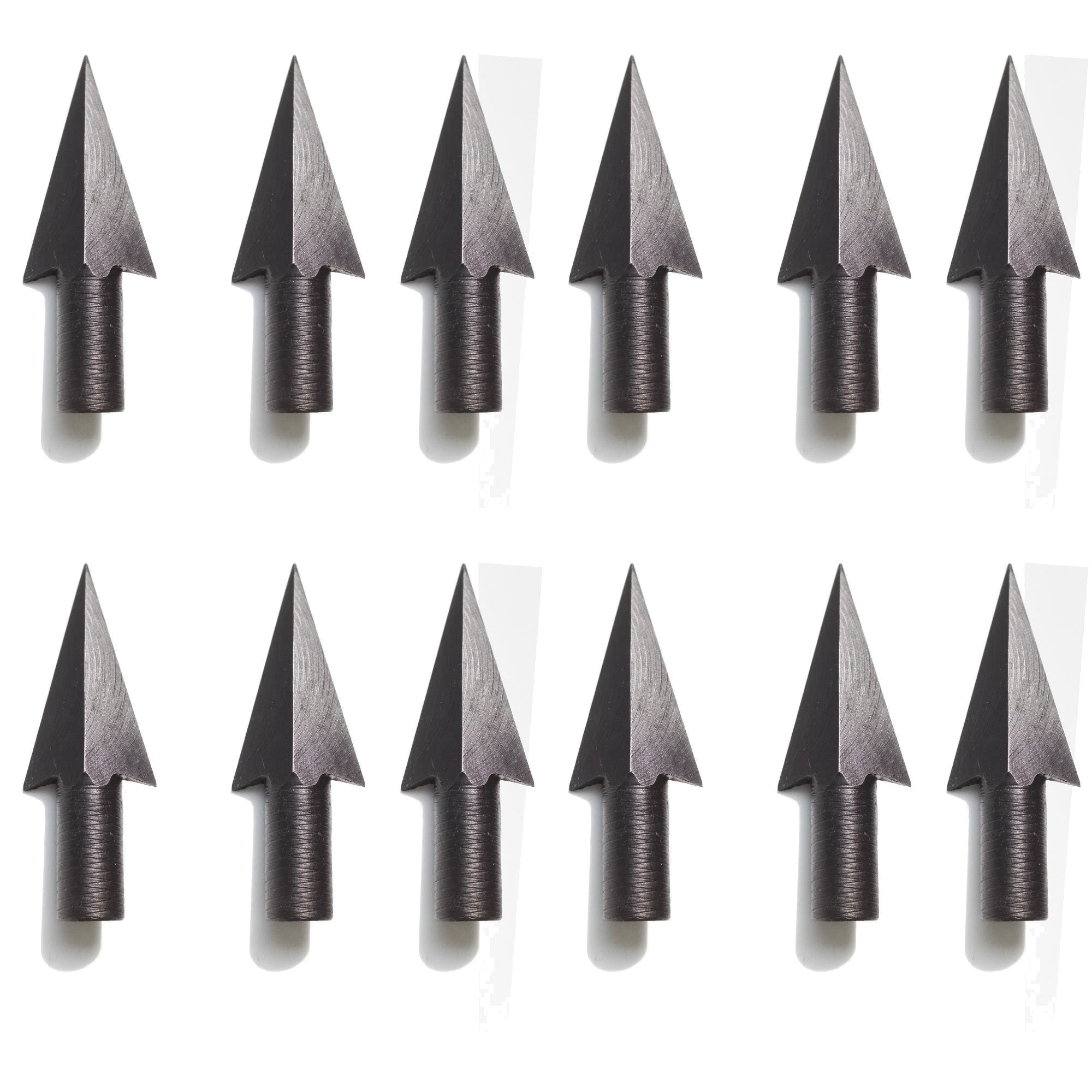

For many archers, the idea of shooting without a sight is intimidating. Modern compound bows come with all kinds of gadgets: adjustable sights, pins, scopes, stabilizers. These tools are designed to make you accurate—but what happens if you remove them? Can you actually shoot better by trusting your own instincts?
The short answer: yes, sometimes you can—but it takes practice, patience, and the right mindset. Let’s dive in.

1. Understanding “Sightless” Archery
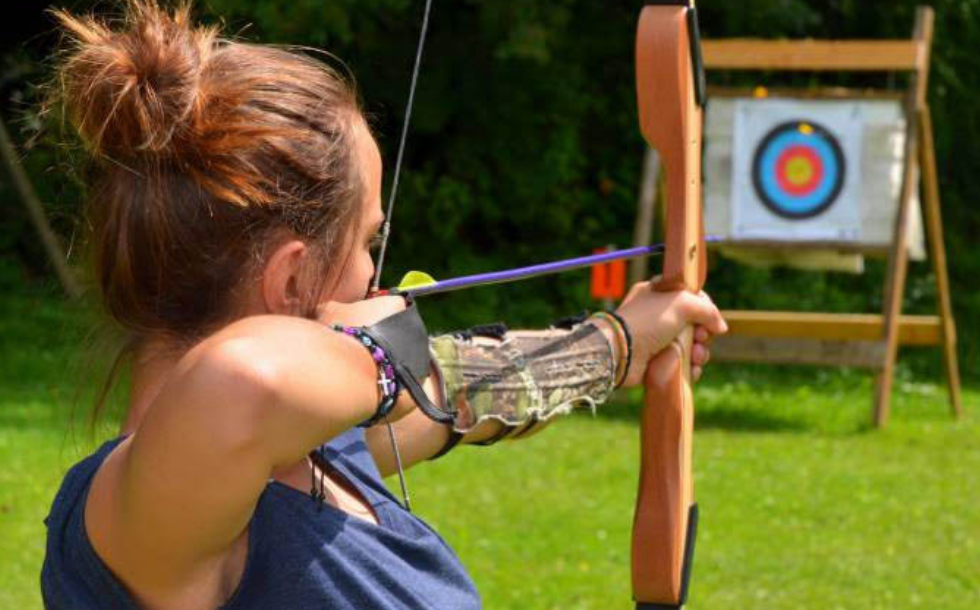
Shooting without a sight is often called instinctive archery or barebow shooting, depending on your style. It means:
-
No mechanical aiming points
-
Relying on your perception and muscle memory
-
Using consistent form, anchor points, and release
It’s most commonly practiced with:
-
Recurve bows (barebow setups)
-
Longbows
-
Traditional recurve bows
Even compound bows can be shot without sights—though it requires adjusting your release and learning distance estimation intuitively.
🔗 Learn more about instinctive shooting basics: Archery Learning Center – Traditional Techniques
2. Why Some Archers Shoot Better Without a Sight
You might wonder: “Why give up a tool that guarantees accuracy?” Here’s why some archers swear by it:
1. Builds Muscle Memory
When you remove the sight, your body must learn to aim naturally. Over time, your draw, anchor, and release become automatic.
2. Improves Focus
Without pins to lock onto, your mind shifts from “checking the dot” to watching your target and trusting your instincts. This often leads to better mental control under pressure.
3. Encourages Adaptability
Shooting instinctively makes you more aware of:
-
Distance perception
-
Wind and elevation changes
-
Arrow trajectory nuances
All these skills are transferable—even if you go back to using sights later.
3. The Challenges of Shooting Without a Sight
It’s not magic—it’s a learning curve. Beginners often struggle with:
-
Inconsistent grouping at first
-
Misjudging distances and angles
-
Feeling frustrated when arrows don’t hit the center
Tip: Start close to the target (5–10 yards) and focus on form and release before worrying about accuracy.
4. Tools That Help Without Using a Sight
Even without sights, certain accessories improve safety, consistency, and comfort:
-
Arrow Rest – A good rest ensures smooth release and less arrow contact with the bow
-
Finger Tab or Glove – Protects fingers and promotes consistent release
-
Arm Guard – Prevents bruising from string slap, especially for new shooters
-
Feathered Arrows – More forgiving on release and flight than plastic vanes
🛒 Recommended Products:
5. Training Tips to Improve Without a Sight

Step 1: Start Short
Shoot from 5–10 yards. Focus on smooth draws and clean releases.
Step 2: Use Anchors
Always anchor your string at the same spot—corner of your mouth, chin, or cheek. Consistency is key.
Step 3: Observe Grouping
Even if you’re missing the bullseye, look at where your arrows land. Adjust naturally rather than forcing aim.
Step 4: Gradually Increase Distance
Once grouping stabilizes at short range, step back slowly. Let your body adjust, not just your eyes.
Step 5: Record and Analyze
Video yourself, note release angles, and make small corrections. Over time, your brain integrates distance perception and form.
6. Situations Where Shooting Without a Sight Helps
-
Traditional Archery Competitions – Some categories require barebow setups
-
Bowhunting – Learning instinctive aiming can be useful when shots are dynamic and distances vary
-
Training Mental Focus – Developing body awareness improves both sighted and sightless performance
7. Common Mistakes Beginners Make
-
Overthinking the Shot – Trying to measure angles manually instead of trusting form
-
Neglecting Anchor Consistency – Your body needs a reference point to align shots
-
Skipping Close-Range Practice – Jumping straight to long distances leads to frustration
-
Ignoring Flight Feedback – Watch arrow flight; instinctive adjustments matter more than aiming pins
8. Can You Shoot Better? The Verdict
Shooting without a sight isn’t automatically more accurate. But:
-
You’ll build stronger muscle memory
-
You’ll develop better distance and trajectory perception
-
Your form will improve naturally
-
You’ll enjoy the pure, instinctive feeling of archery
For some archers, this actually translates into better scores—even when sights are used again later.
9. Combining Sighted and Instinctive Practice
Many archers find the best results come from blending both approaches:
-
Practice instinctive shooting to improve focus, muscle memory, and adaptability
-
Use sights for scoring or precise distances
-
Switch between styles depending on environment and goals
This hybrid method creates well-rounded archers who can adapt to any condition.
🎥 Watch a demonstration: Instinctive vs Sighted Archery
10. Conclusion
Shooting without a sight is a journey from reliance on tools to trust in yourself. It may feel awkward at first, but over time it builds skills you didn’t realize you were missing.
Whether you stick to instinctive archery or return to your sighted setup, the lessons learned from barebow shooting will make you a more adaptable, focused, and confident archer.
Ready to test your instinct? Explore our gear designed for sightless practice:
Trust your eyes. Trust your form. And most importantly, trust your shot.