

.jpeg?w=1001&h=1001)
The broadhead is the single most important component on your hunting arrow. Everything else—your bow, your form, your arrow spine—exists to deliver that broadhead to the right place. Without a reliable, sharp broadhead that flies true, the rest doesn’t matter.
Yet many archers treat broadheads as an afterthought. They spend months tuning their bow, agonizing over arrow spine, and practicing their form—only to screw in a set of broadheads the night before hunting season and hope for the best.
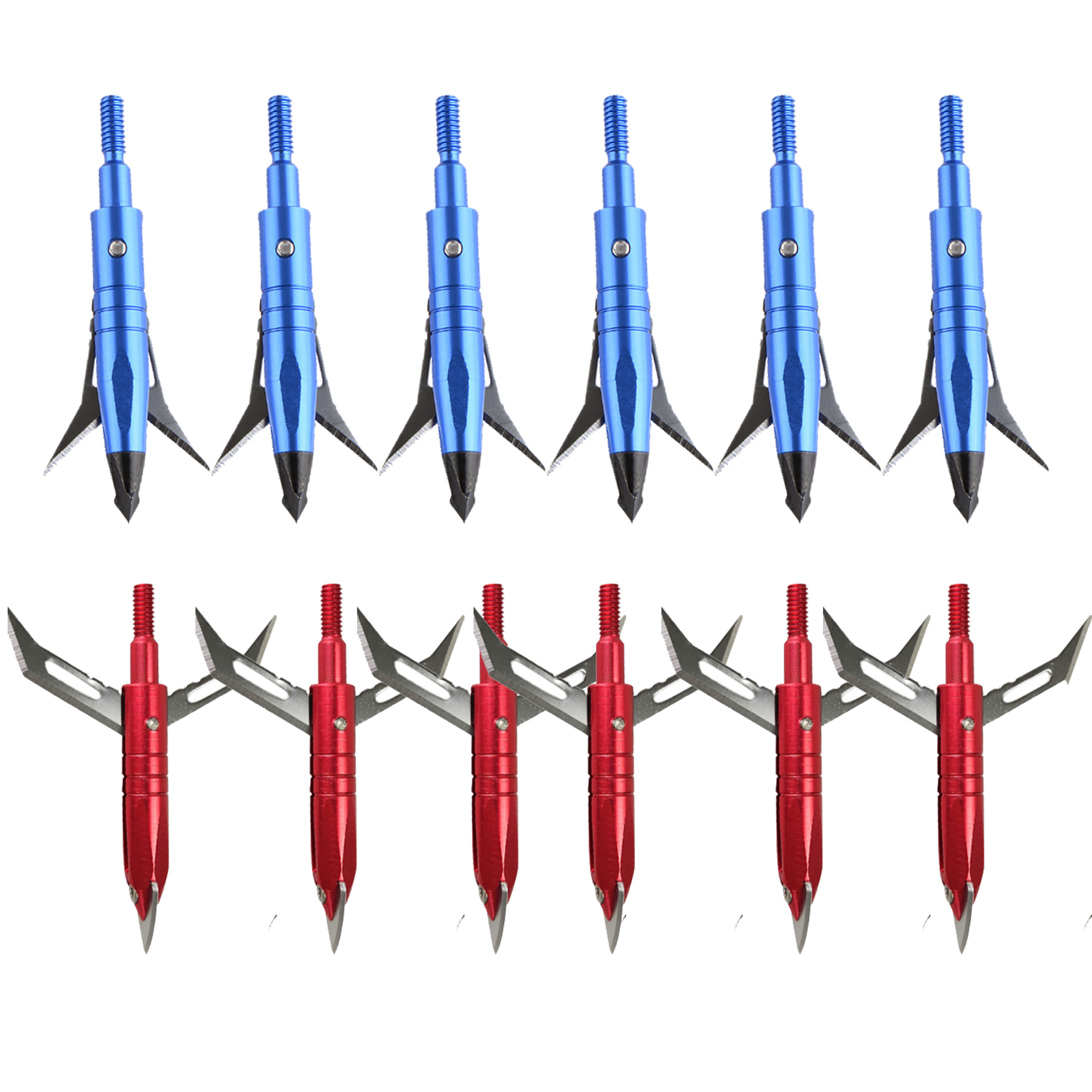
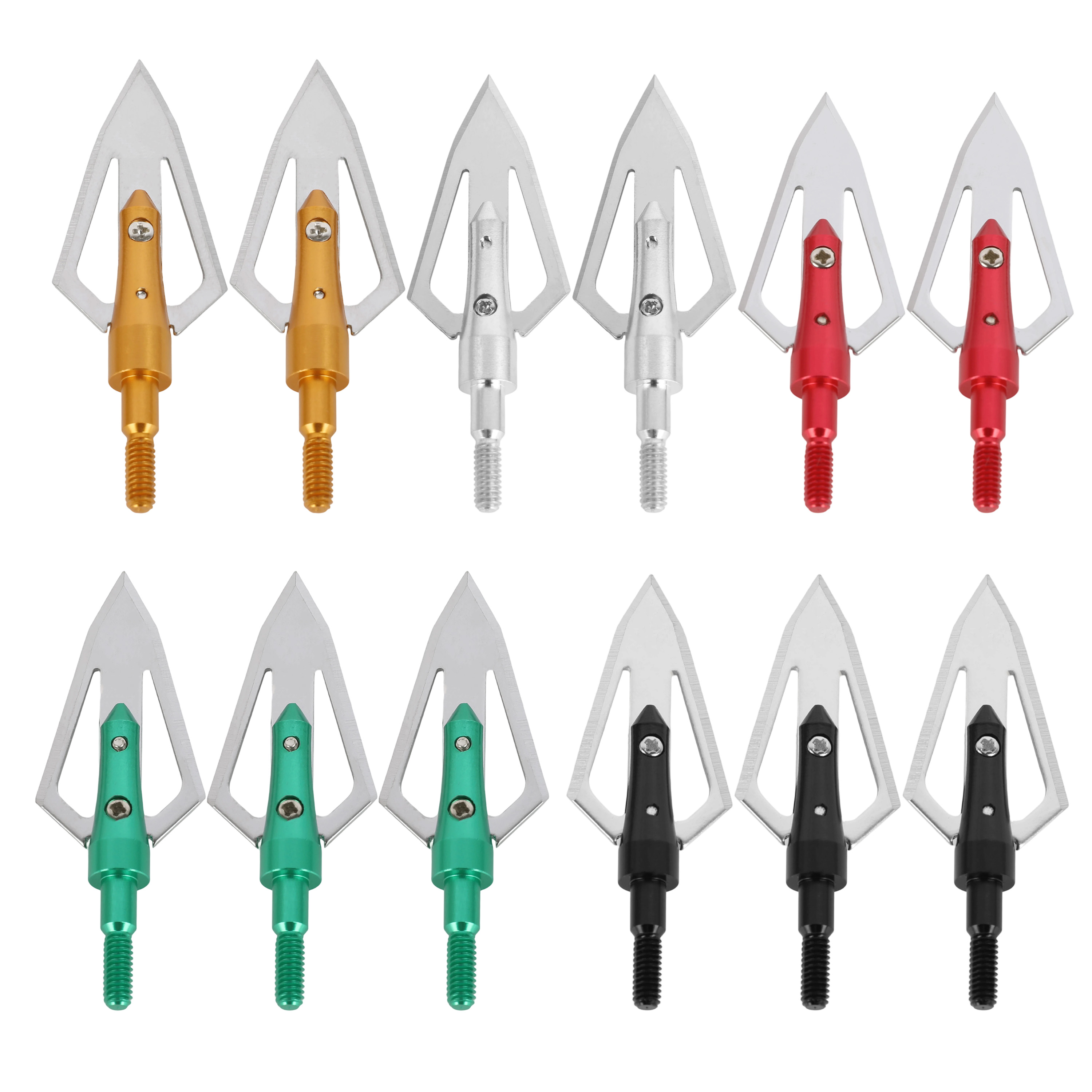
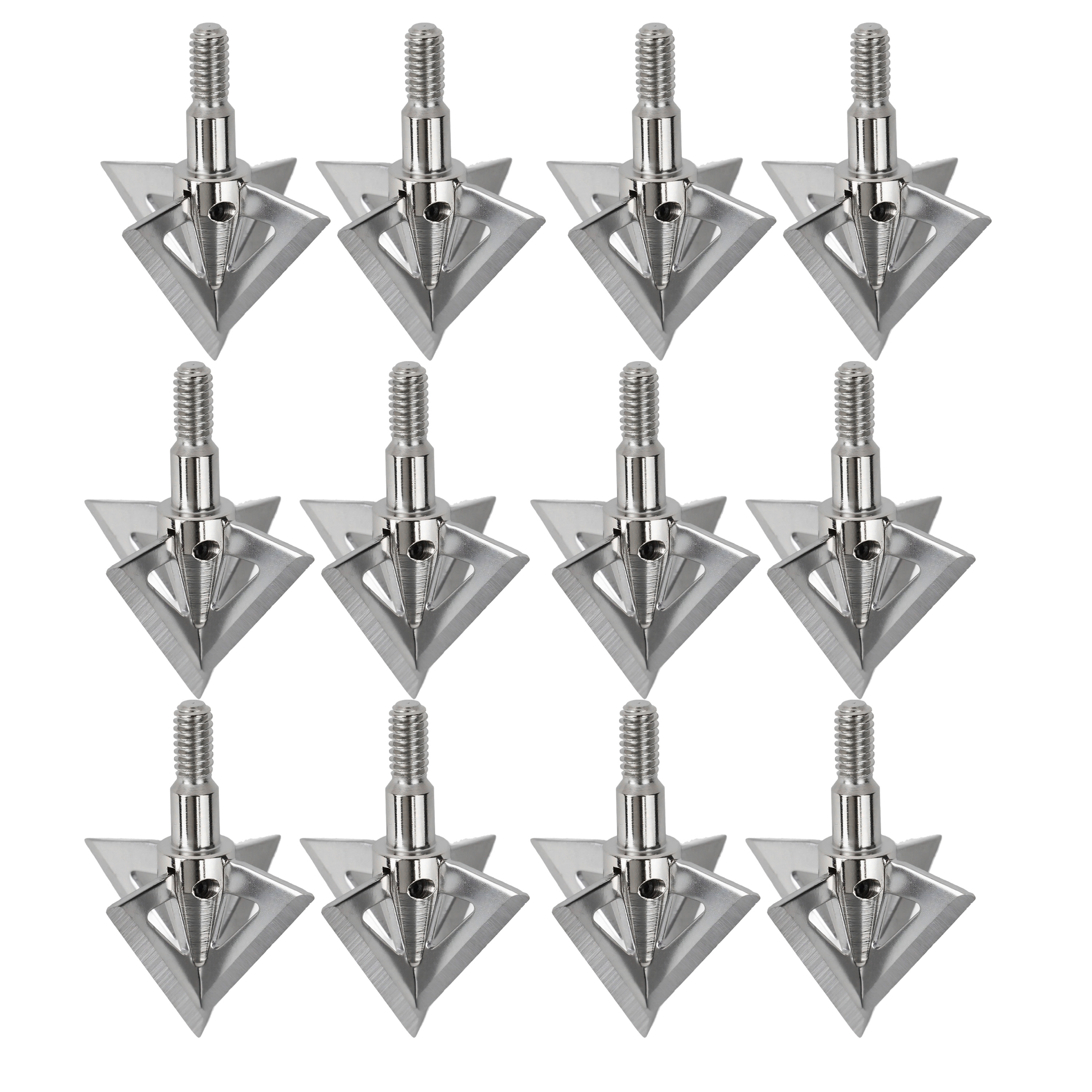
That’s a mistake. The good news is you don’t need to spend $40 per broadhead to get reliable performance. At AMEYXGS Archery, we offer a wide range of hunting arrowheads, practice broadheads, and field points—built for durability and accuracy—so you can hunt with confidence without breaking the bank. Whether you’re chasing small game, deer, or traditional hunting experiences, the right broadhead makes all the difference.
This guide covers everything you need to know: from understanding broadhead types to tuning, sharpening, and selecting the right head for your bow and target game. Let’s dive in.
What Is a Broadhead? Understanding Your Hunting Arrowhead
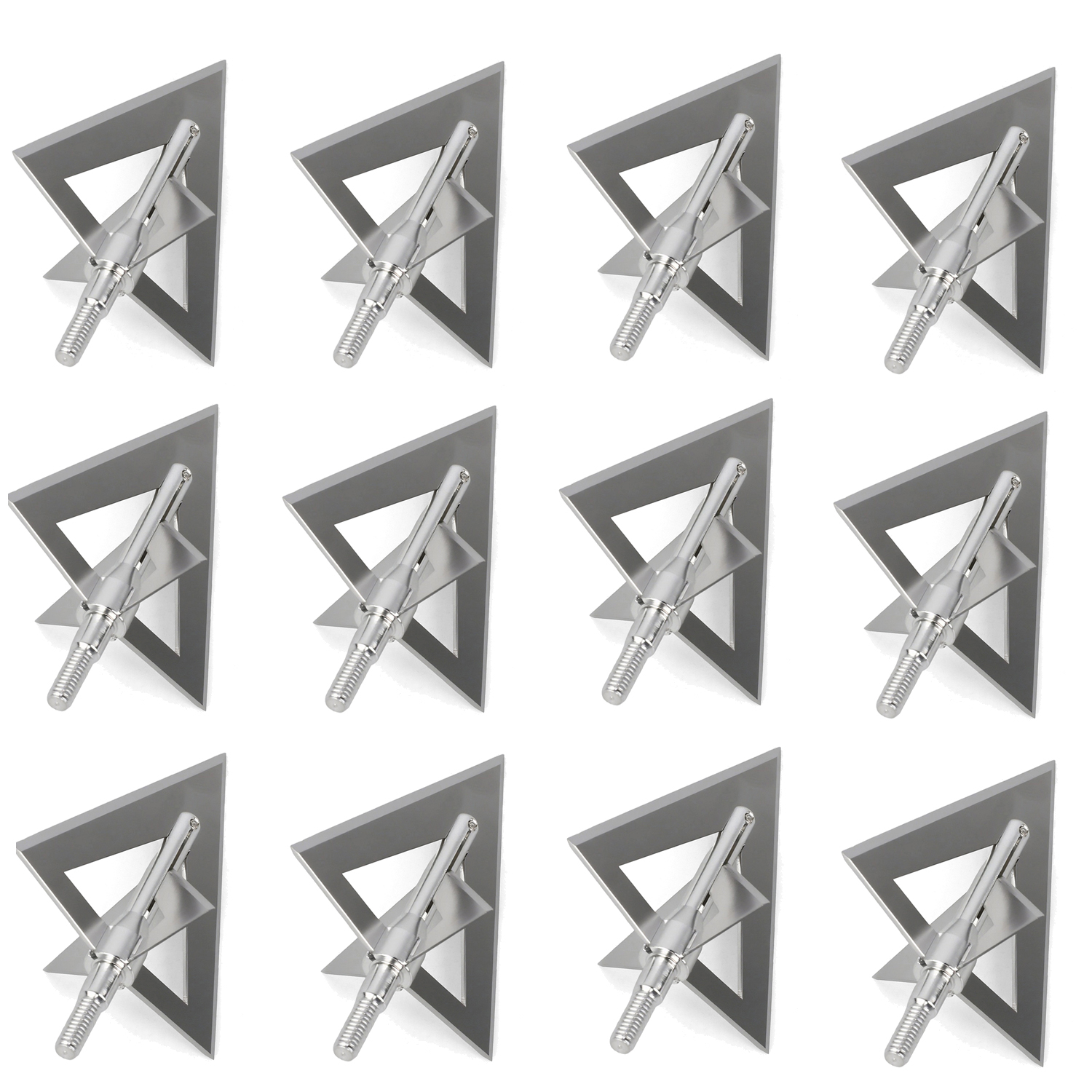
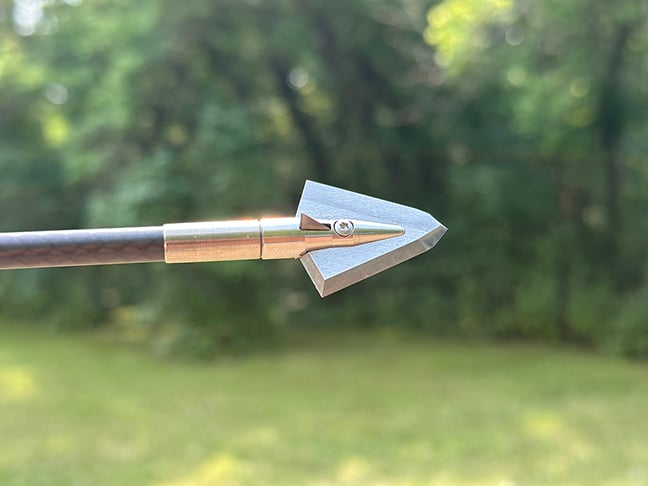
A broadhead is a specialized arrow tip designed for hunting. Unlike field points, which are blunt and used only for target practice, broadheads feature sharp blades that cut tissue, create wound channels, and promote rapid blood loss for ethical, quick kills.
Broadheads, effectively the modern equivalent of the traditional “bodkin” or “broad arrow” used throughout history, made from high‑carbon steel for superior durability and edge retention—qualities you can find across the AMEYXGS Archery broadhead selection.
The design of a broadhead directly affects three critical factors:
-
Flight characteristics: How closely the broadhead mimics your field points
-
Penetration: How deeply the head drives into the target animal
-
Cutting diameter: How large a wound channel is created
Understanding these basics will help you make an informed choice when selecting your hunting arrowheads from AMEYXGS Archery broadhead collection.
Types of Broadheads: Fixed-Blade vs. Practice Arrowheads
Not all broadheads are created equal. Here’s what you’ll find in our collection.
Fixed-Blade Broadheads
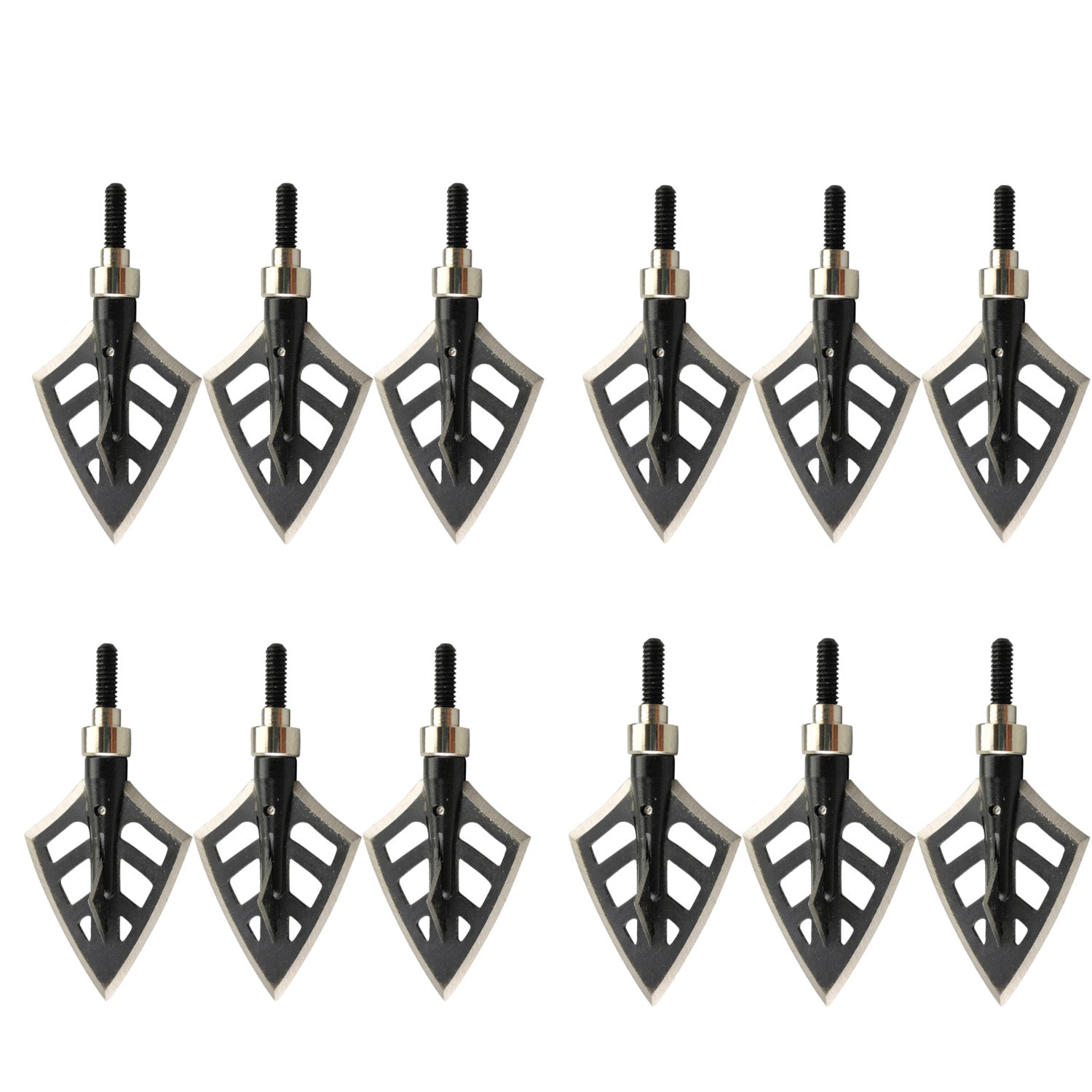
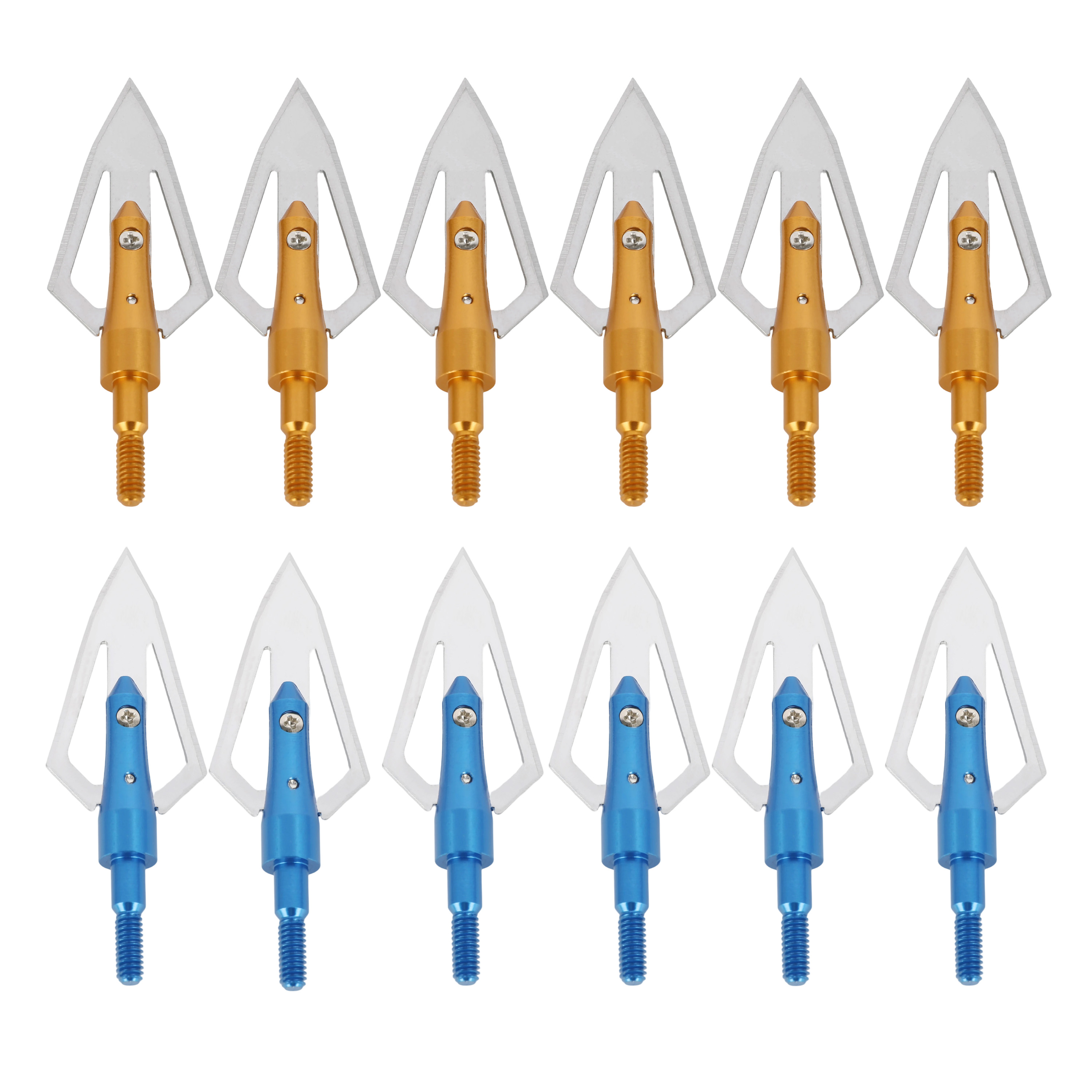
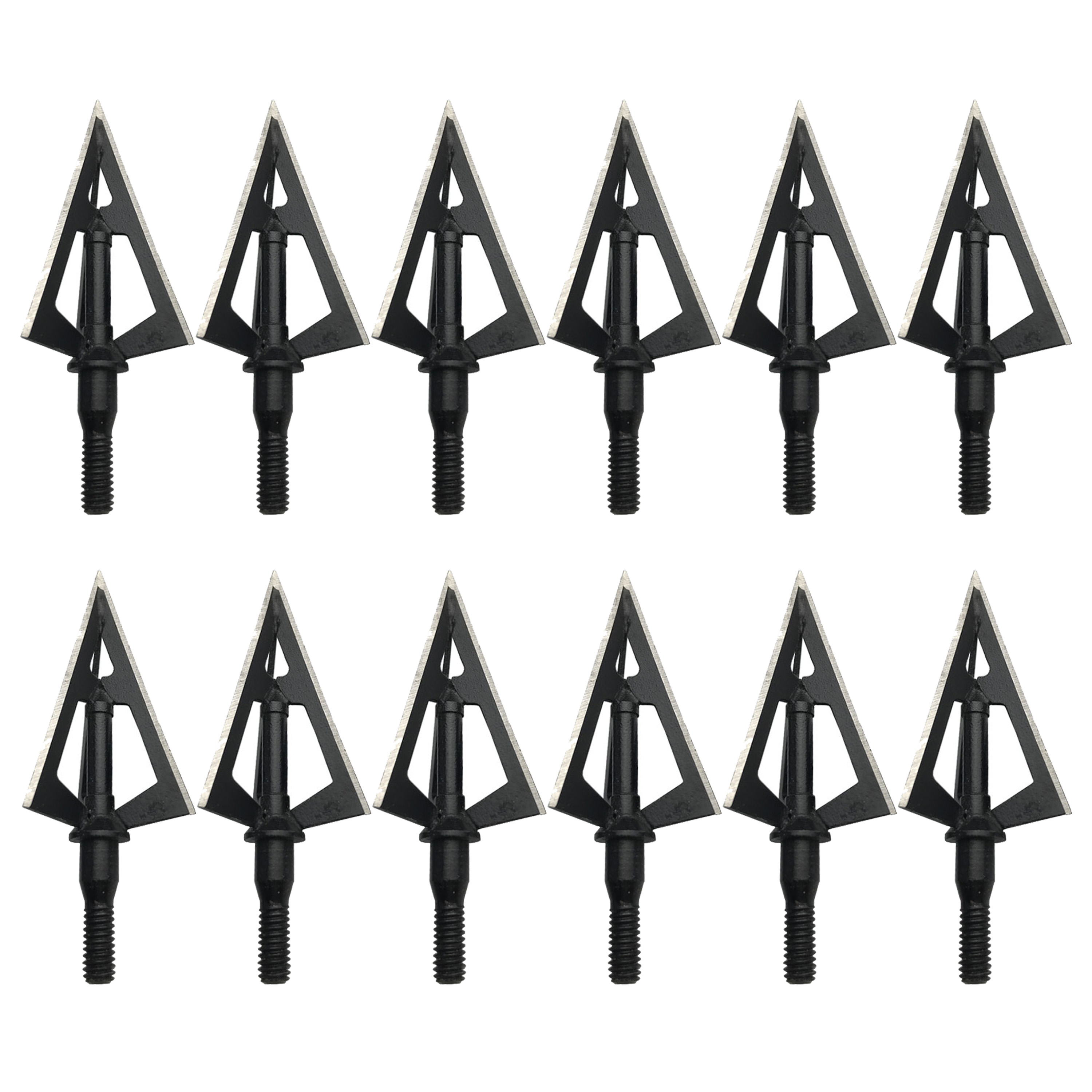
Fixed-blade broadheads have blades that are permanently deployed. They’re simple, reliable, and have no moving parts to fail. Our Traditional Bow Tips Broadheads Hunting Arrowheads represent this classic design, featuring two or three razor-sharp blades.
Pros:
-
Extremely reliable (nothing can fail to open)
-
Excellent penetration on bone
-
Simpler to sharpen and maintain
-
Often more affordable
Cons:
-
Can “plane” (steer) in flight, requiring precise bow tuning
-
Fixed cutting diameter (typically 1-1/8″ to 1-1/4″)
Best for: Traditional bows, lower-poundage bows, and hunters who prioritize reliability above all else.
Practice Broadheads
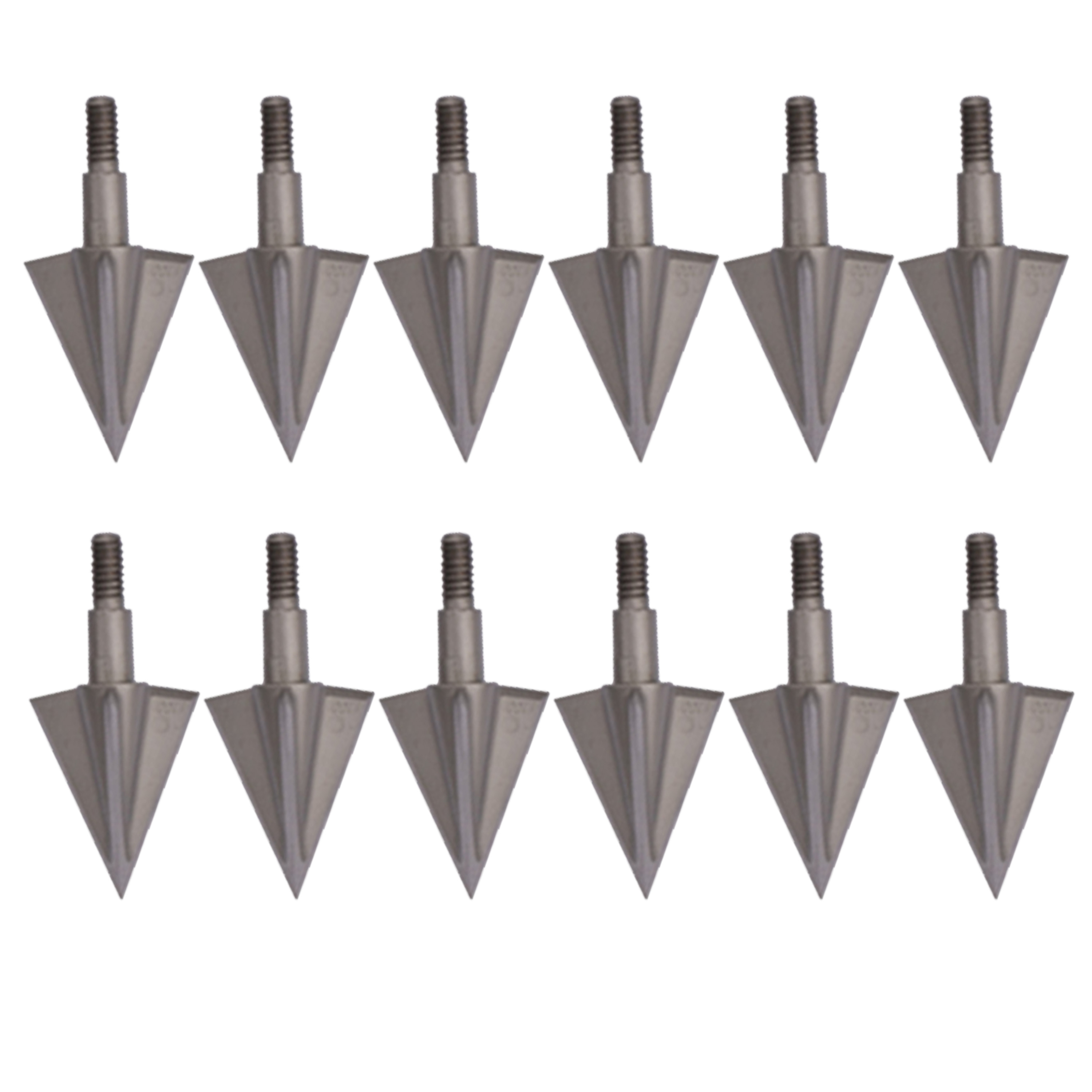
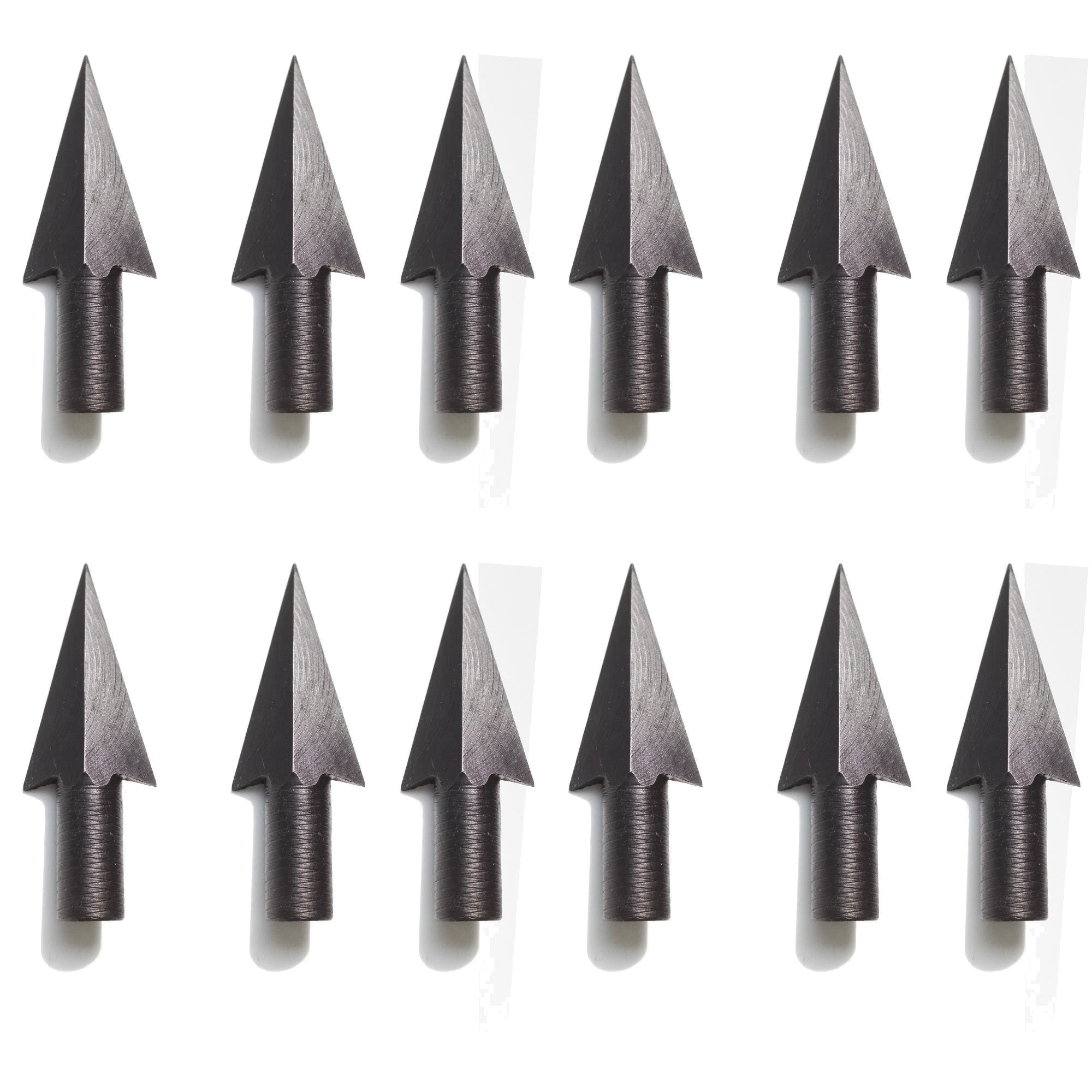
A smart hunter always practices with broadheads before the season. Our AMEYXGS Archery Arrowheads 4.2mm Practice Broadheads are designed to fly identically to your hunting broadheads, saving your expensive hunting heads from wear and tear.
Practice broadheads typically feature the same weight and profile as hunting broadheads but with duller, more durable blades that withstand repeated impacts into foam targets. Some hunters also use heavier field points as broadhead simulators.
Traditional Screw-Tip Points
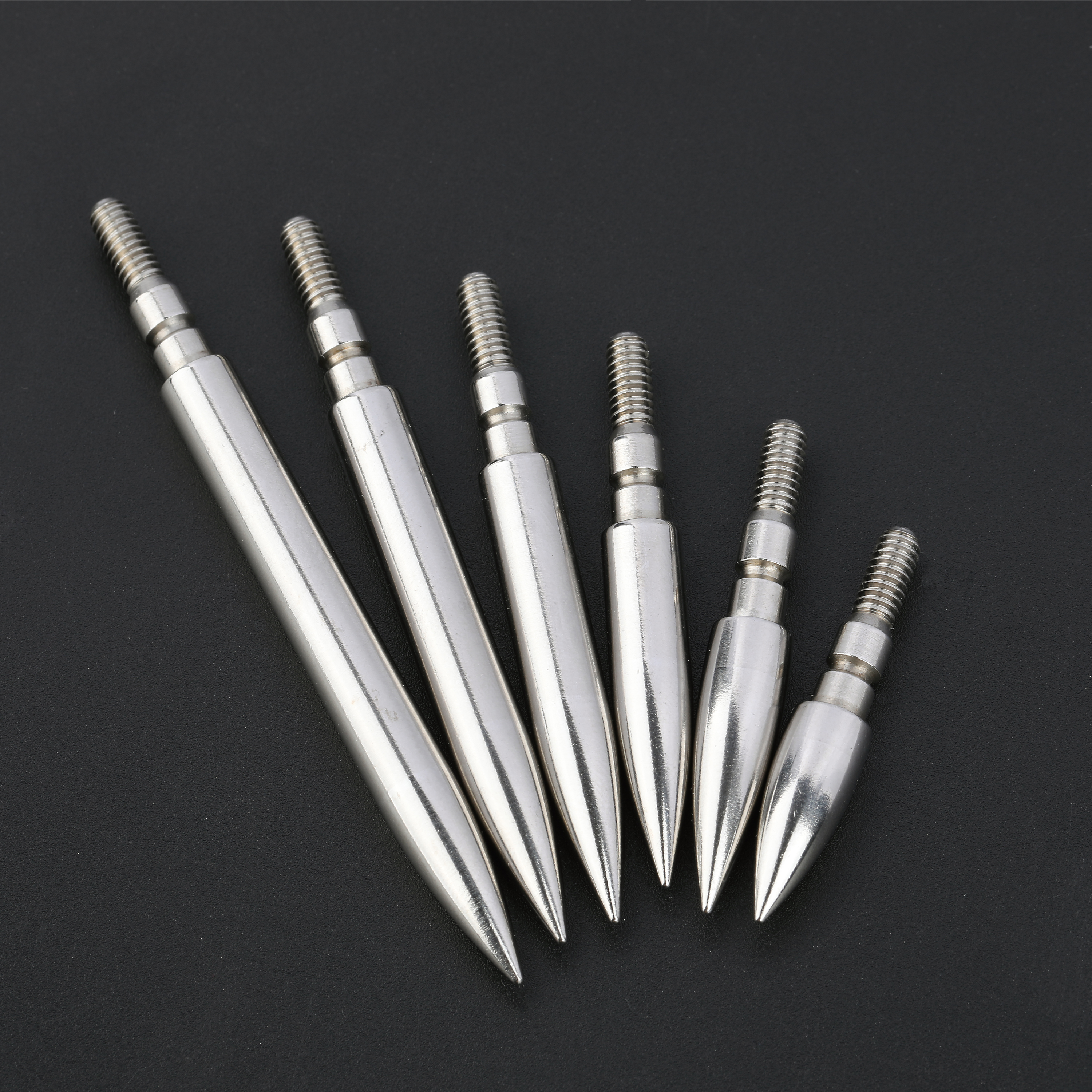
For traditional archers and those shooting wooden arrows or vintage bows. These threaded points screw directly into arrow inserts and work with both target and hunting arrows.
4.2mm Arrow Shaft Broadheads
Many of our broadheads are specifically designed for 4.2mm arrow shafts, a common diameter for modern carbon arrows. The Archery Arrowheads Tips Points for 4.2mm Arrow Shaft Hunting ensures proper fit and optimal flight characteristics when matched with your existing arrows.
Browse our full Broadheads collection to see all available options.
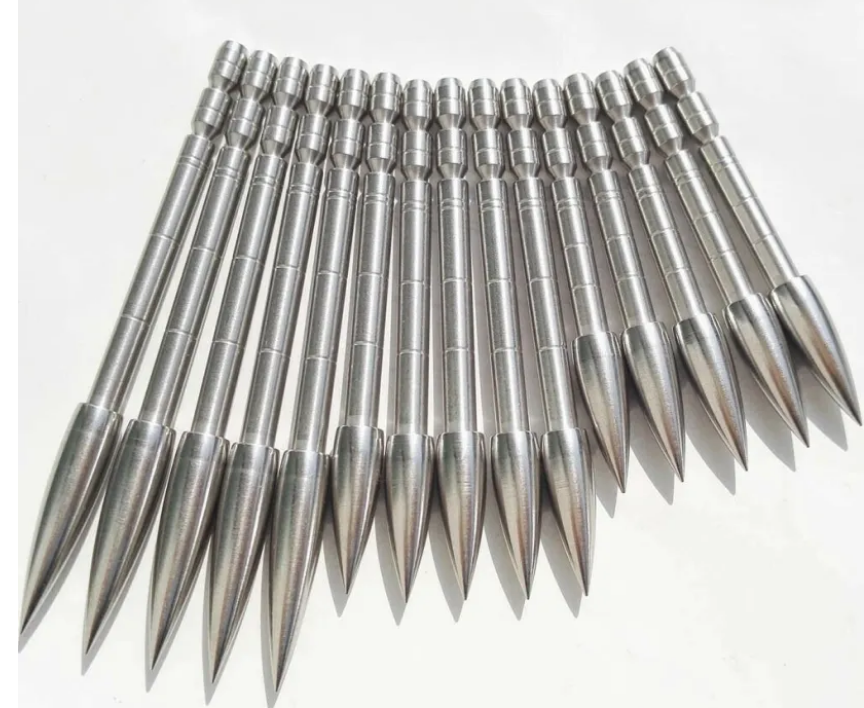
Choosing the Right Broadhead for Your Bow and Game
Selecting the right broadhead depends on three factors: your bow’s draw weight, the game you’re hunting, and your personal accuracy.
Match Broadhead Weight to Your Arrows
Broadheads typically come in 100-grain or 125-grain weights. For most compound bows in the 50-70 lb range, 100-grain broadheads are standard. For lower-poundage bows or traditional bows, 125-grain heads may provide better penetration.
Always match your broadhead weight to your field point weight. If you practice with 100-grain field points, your broadheads should also be 100 grains. Mixing weights ruins your arrow flight and requires complete retuning.
Consider Your Draw Weight
As a general rule:
| Draw Weight | Recommended Broadhead Type |
|---|---|
| Under 40 lbs | Lightweight fixed-blade (≤100 grains) |
| 40-55 lbs | Fixed-blade or mechanical with smaller cut |
| 55-70 lbs | Any fixed-blade or mechanical |
| Over 70 lbs | Any broadhead (penetration not a concern) |
Lower draw weights need broadheads that penetrate efficiently. Our Archery Broadheads Arrowheads offer a balance of sharp cutting edges without excessive drag.
Don’t Overlook Practice Broadheads
A common mistake is buying expensive hunting broadheads and never practicing with them. You’d be surprised how different broadheads can fly compared to field points. Our Practice Broadheads allow you to tune your bow and build confidence without dulling your expensive hunting heads.
For most hunters, a season’s preparation should include:
-
20-30 shots with practice broadheads during tuning
-
5-10 shots with actual hunting broadheads (to confirm flight)
-
Field point practice for the majority of volume shooting
Broadhead Flight: Tuning for Accuracy
A broadhead that doesn’t fly like your field point will miss or wound animals. Here’s how to ensure your broadheads hit where you aim.
The Walk-Back Tuning Method
The most reliable way to broadhead tune is the walk-back method:
-
Shoot field points at 20 yards and mark your group.
-
Shoot broadheads at 20 yards from the same spot.
-
If broadheads group right of field points, move your rest left (and vice versa).
-
Repeat at 40 yards to confirm.
Paper Tuning with Broadheads
Sometimes broadheads reveal arrow flight issues that field points hide. Shoot broadheads through paper at 6-10 feet:
-
Tear to the left (for right-handed shooter) Arrow too weak in spine or rest too far right
-
Tear to the right Arrow too stiff or rest too far left
-
Perfect bullet hole Ready to hunt
The Spin Test
Before hunting, spin each broadhead on a flat surface or use a commercial spinner. If the head wobbles, it’s not aligned with the arrow shaft. Wobbling broadheads won’t fly straight. Check that:
-
Inserts are square to shafts
-
Broadhead threads are clean
-
Blades are symmetrical
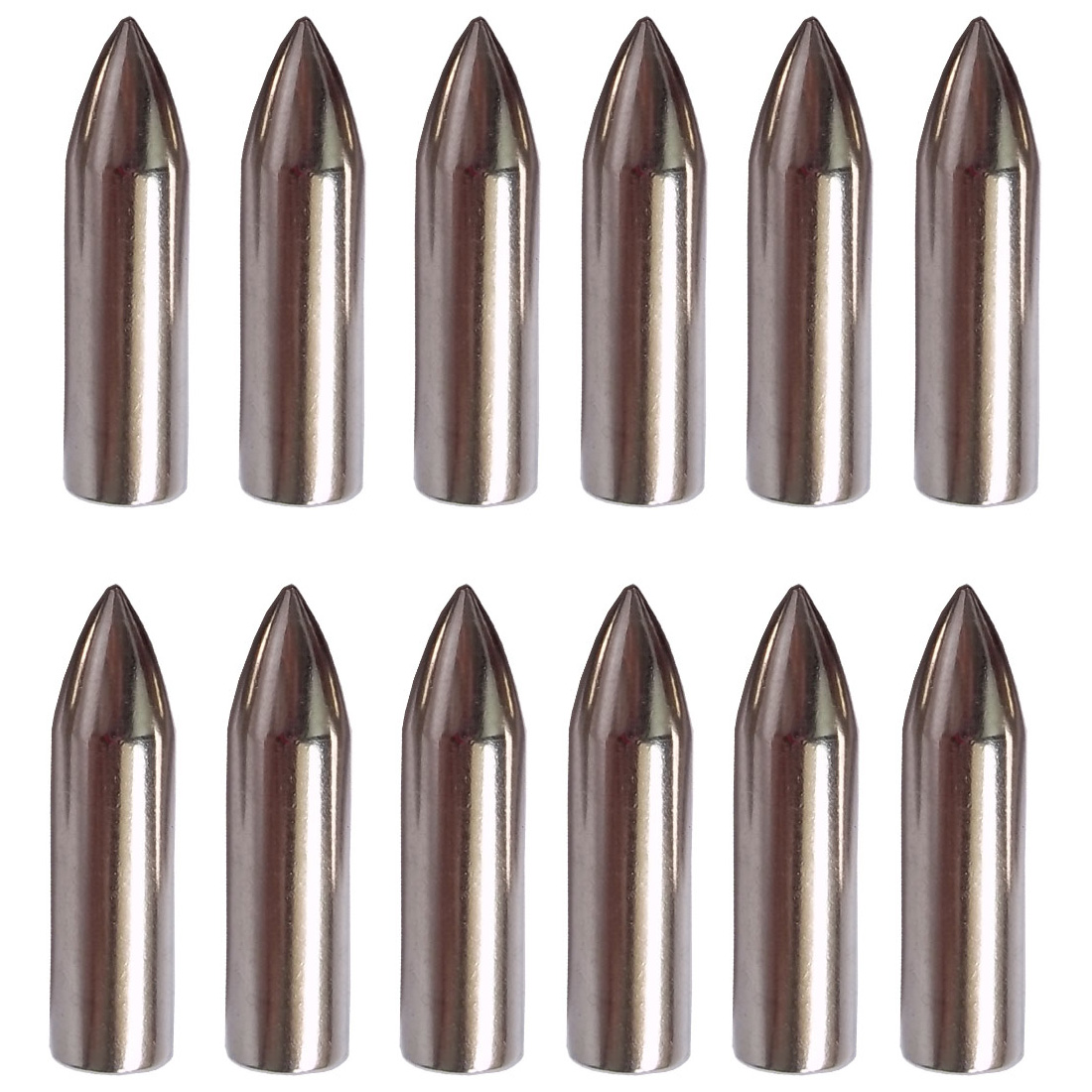
For even more accuracy, consider Field Points Tips Target for your everyday practice. The identical weight and diameter match your broadheads, giving you realistic training all year long.
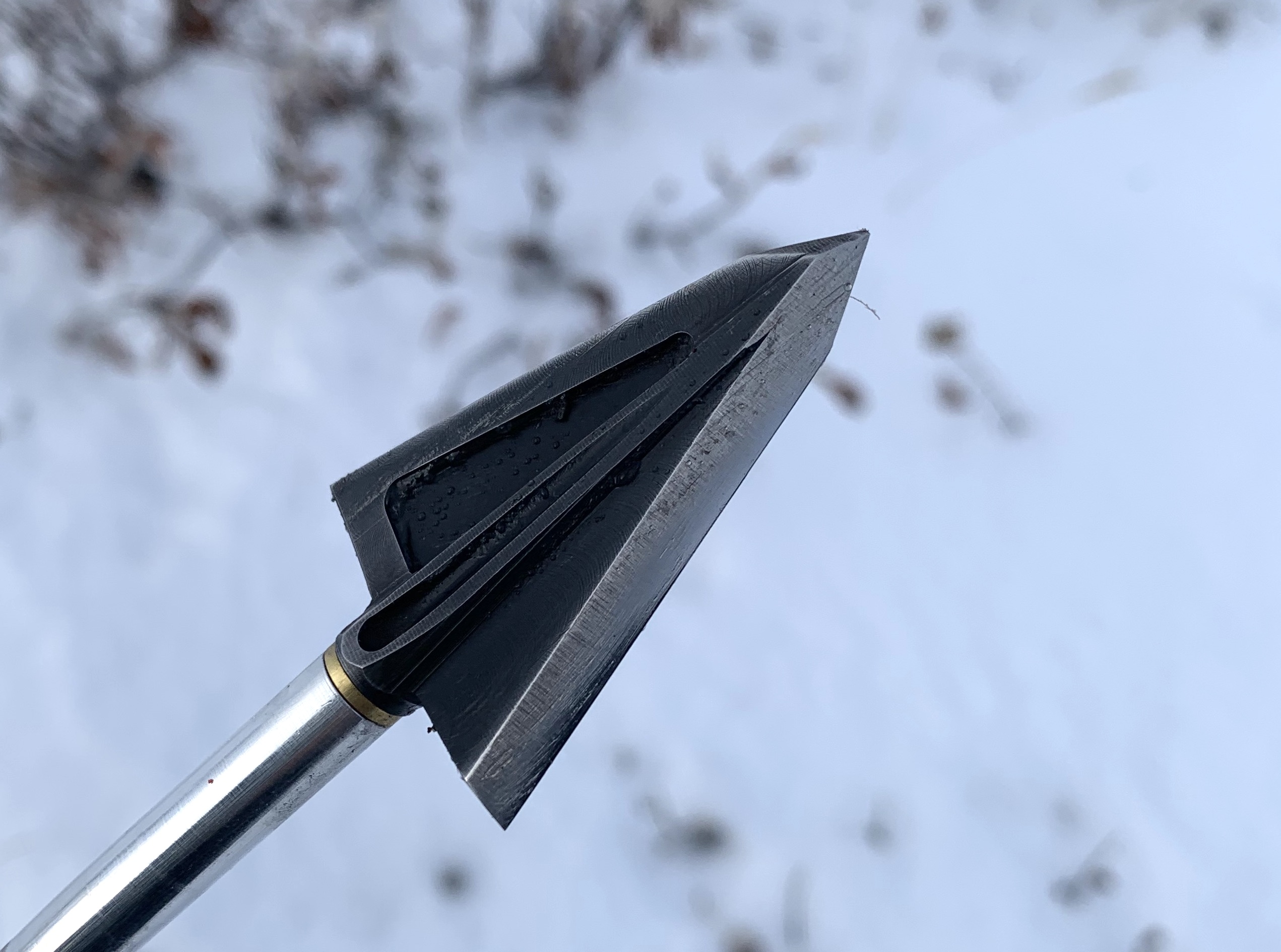
Sharpening and Maintaining Your Broadheads
A sharp broadhead is the difference between a clean kill and a wounded animal. Here’s how to keep your broadheads hunting-ready.
How to Test Sharpness
A broadhead is sharp enough if it:
-
Catches and holds a fingernail without slipping
-
Shaves hair from your arm with minimal pressure
-
Cuts paper cleanly without tearing
Sharpening Fixed-Blade Broadheads
Most fixed-blade broadheads can be resharpened. Use a fine diamond stone or ceramic rod:
-
Clamp the broadhead in a vise.
-
Run the stone along each blade edge at the factory angle (typically 20-25 degrees).
-
Use light pressure—you’re honing, not grinding.
-
Finish with a leather strop for razor edge.
Replace blades that are badly nicked, bent, or chipped. Our Broadheads Arrowheads replacement packs are affordable and effective.
When to Replace
Even the best broadheads don’t last forever. Replace your broadheads when:
-
Blades are visibly bent or warped
-
The tip is blunted closed or mushroomed
-
Blades show chips or deep scratches
-
You’ve already resharpened 3-4 times
Safety: Handling and Storing Broadheads
Broadheads are dangerous if mishandled. Follow these safety rules:
-
Never nock an arrow with a broadhead until you’re ready to shoot at a target or game animal.
-
Always use a covered broadhead target designed for broadhead use (foam targets, not bag targets).
-
Store broadheads in a protective case when not in use. Loose broadheads in a pack or pocket cause serious injuries.
-
Remove broadheads before traveling to the range or hunting spot. Transport broadheads in their case, not installed on arrows.
-
Quivers hold broadheads safely, but still exercise caution when removing or replacing arrows.
Our Arrowheads category includes storage options to keep your broadheads organized and safe.
What Our Customers Say
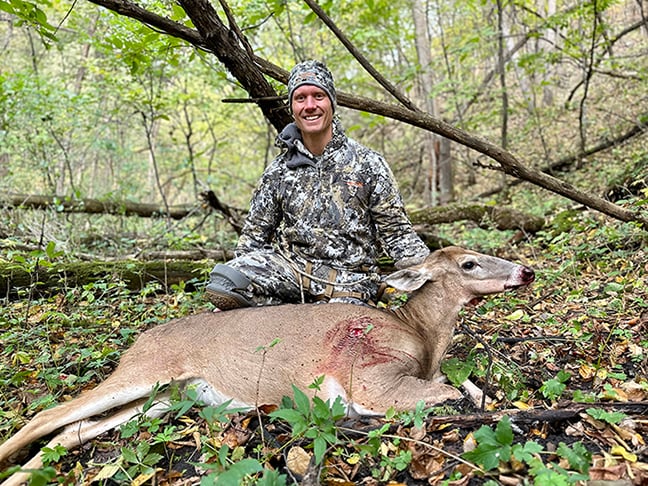
*“I bought the AMEYXGS Archery Arrowheads for my first bowhunting season. I was nervous about tuning broadheads, but these flew almost like my field points after a few rest adjustments. Took my first deer at 22 yards—perfect double-lung pass-through.”*
— Mike R., Verified Buyer
“The Traditional Bow Tips Broadheads are exactly what I needed for my recurve. They’re sharp out of the package and held up through multiple practice sessions. Great value compared to name brands charging $40 for three.”
— David L., Traditional Archer
“I use the 4.2mm Practice Broadheads to tune my bow every season. They fly identically to my hunting broadheads so I don’t dull my expensive heads before opening day. Worth every penny.”
— Sarah K., Ohio Bowhunter
Frequently Asked Questions
Q1: How many broadheads should I buy?
A: A minimum of six: three for tuning and practice (use practice broadheads to save your hunting heads) and three for hunting (mounted on your hunting arrows). A dozen is better if you plan to hunt multiple seasons without resharpening.
Q2: Do broadheads need to be exactly the same weight as my field points?
A: As close as possible. 100-grain field points pair with 100-grain broadheads. Minor differences (1-2 grains) won’t ruin flight, but significant mismatches require retuning.
Q3: Will my arrows need to be re‑spined for broadheads?
A: The spine requirements are the same as for field points, provided your broadhead weight matches field point weight. The increased drag of broadheads sometimes amplifies spine issues, so ensure your arrows are correctly spined before tuning broadheads.
.jpeg?w=1170&h=1028)
9. Build Your Broadhead Kit with AMEYXGS Archery
Getting ready for hunting season? Here’s everything you need from our catalog:
| Product | Purpose |
|---|---|
| Traditional Bow Tips Broadheads | Hunting fixed-blade broadheads for traditional and compound bows |
| 4.2mm Practice Broadheads | Tuning and practice, flies like hunting heads |
| Field Points Tips Target | Everyday practice and broadhead weight matching |
| Archery Traditional Arrowhead Broadheads Screw Tip Point | Threaded points for traditional and hunting arrows |
| Archery Arrowheads Tips Points for 4.2mm Arrow Shaft Hunting | Broadheads specifically for 4.2mm carbon arrows |
AMEYXGS Archery is committed to providing affordable, reliable broadheads that help hunters succeed. Whether you’re a traditional archer, a compound hunter, or a beginner just getting started, we have the arrowheads you need.
Ready for the season? Browse our full Broadheads collection and build your hunting setup today.